
In the rapidly evolving landscape of the UAE and GCC region, where urban expansion, industrial development, and large-scale infrastructure projects continue to accelerate into 2026, the demand for reliable animal housing solutions has grown significantly. Rising pet ownership—fueled by changing lifestyles and a deeper appreciation for companion animals—intersects with operational needs in sectors like construction, agriculture, and security. Decision-makers overseeing residential compounds, remote work sites, agricultural operations, or specialized facilities increasingly seek durable, adaptable kennels that address extreme heat, sand exposure, and varying environmental challenges across coastal, desert, and urban settings.
Custom dog kennels offer a practical response to these demands, providing tailored enclosures that prioritize animal welfare while aligning with project timelines and site constraints. Whether for a family residence in a bustling metropolitan area, a working dog supporting logistics in remote zones, or multiple units at a utility compound, thoughtful design ensures long-term functionality and compliance with regional standards.
Assessing Needs: From Residential to Operational Applications
Effective planning begins with a clear evaluation of the intended use. Kennels serve diverse purposes, each influencing size, configuration, and features.
For residential settings, where pets are integrated into daily family life, single or dual-unit designs often suffice. These provide secure outdoor space in villa compounds or high-rise communities, allowing animals to enjoy fresh air while remaining protected from intense sunlight and occasional dust storms common in the region.
In agricultural and farm environments, kennels frequently house working breeds that assist with livestock management or perimeter security. Here, larger runs attached to enclosed areas enable natural movement, reducing stress during extended periods outdoors. Modular setups prove particularly useful, permitting expansion as operations grow or relocation across sites.
Facilities such as construction camps, security outposts, or utility maintenance bases benefit from multi-unit configurations. These support teams relying on trained dogs for detection, guarding, or companionship in isolated locations. Portable and modular designs facilitate quick deployment, essential in dynamic project environments where sites shift frequently.
Across these applications, common considerations include the number of animals, breed sizes, and duration of occupancy. Short-term use might prioritize portability, while permanent installations focus on integration with existing infrastructure.
Key Design Elements for Regional Conditions
The GCC’s climate—characterized by prolonged high temperatures, low humidity, and abrasive sand—demands specific design choices to maintain comfort and structural integrity.
Materials and Construction Quality
High-grade galvanized steel frames resist corrosion from coastal salt air or desert moisture. Paneling often incorporates insulated sandwich panels, combining durability with thermal regulation. These materials minimize heat transfer, keeping interiors cooler during peak daytime hours.
Flooring selections emphasize hygiene and traction: raised composite decks prevent moisture buildup and facilitate cleaning, while sealed surfaces withstand frequent disinfection without degrading.
Roofing typically features sloped designs with reflective coatings to deflect solar radiation. Overhangs provide additional shade, reducing direct exposure.
Ventilation and Climate Management
Natural airflow remains critical. Strategic placement of vents, mesh sections, and elevated structures promotes cross-breezes, expelling warm air efficiently. In enclosed areas, options for integrated fans or evaporative cooling enhance comfort without excessive energy use.
Insulation in walls and roofs creates a buffer against external extremes, stabilizing internal temperatures. This proves invaluable in remote desert sites where nighttime drops contrast sharply with daytime highs.
Size and Layout Configurations
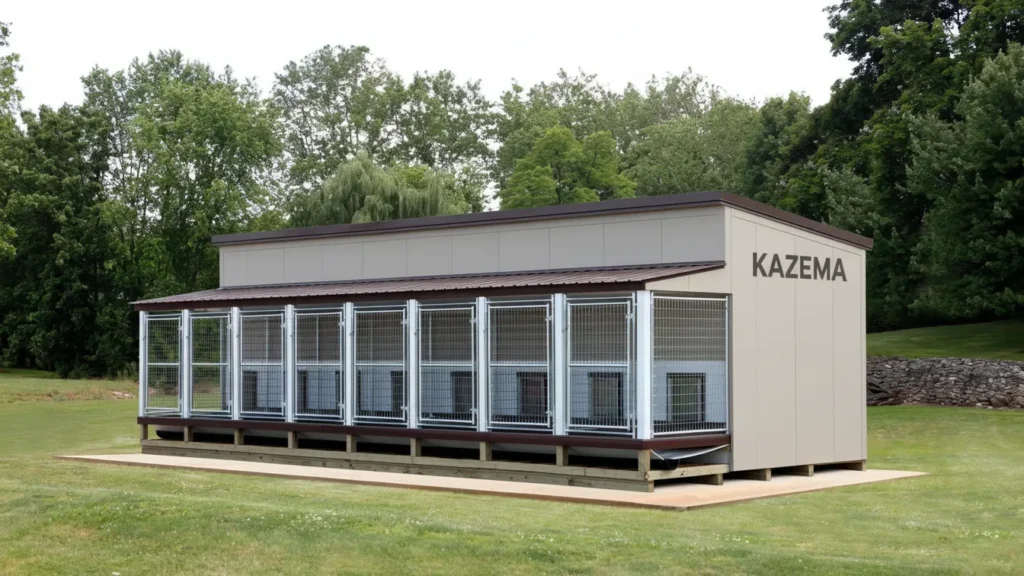
Standard single units range from compact residential models to larger farm-oriented enclosures with attached exercise runs. Multi-unit facilities can scale modularly, arranging in rows or clusters to optimize space and access.
Interior divisions allow separation for different animals, while guillotine-style doors enable controlled movement between indoor and outdoor zones.
Security features, such as reinforced latches and anti-dig barriers, address behavioral needs and site-specific risks.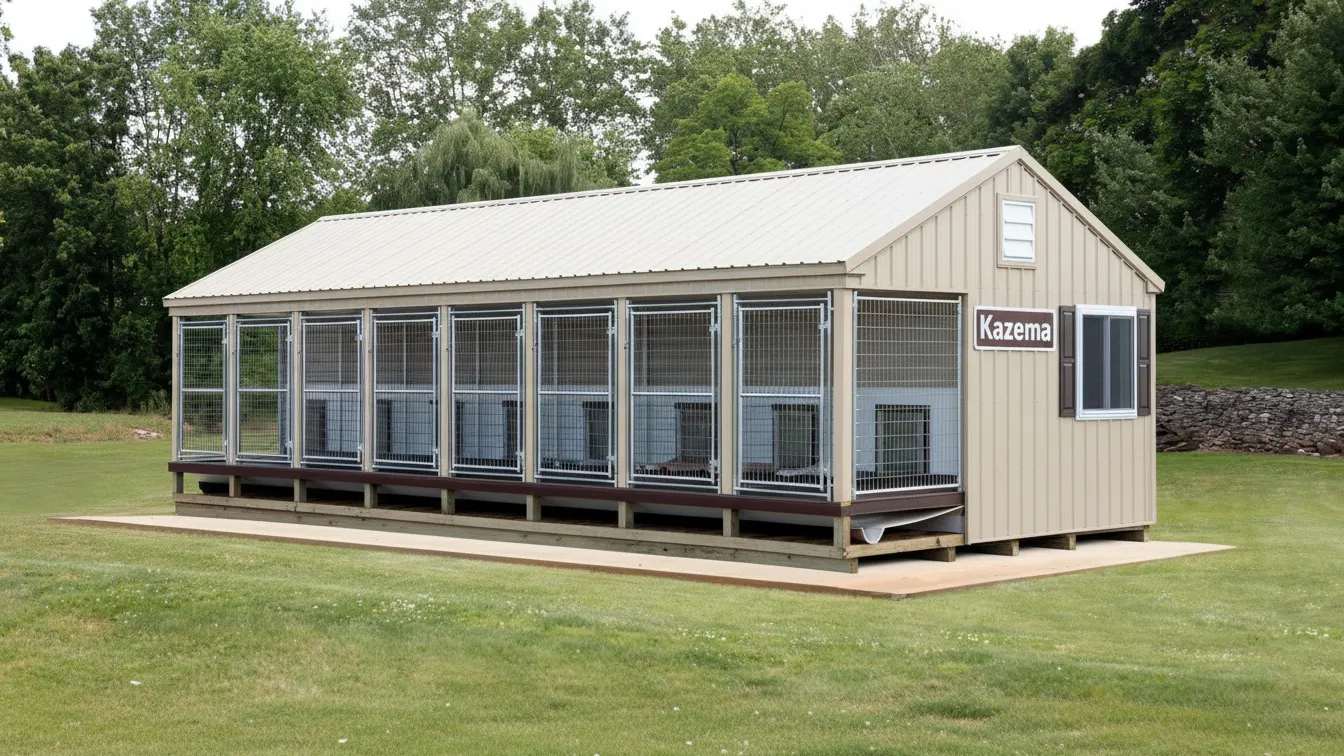
Practical Benefits Across Industries
Custom kennels deliver measurable advantages in operational efficiency and animal health.
In construction and logistics sectors, portable units deploy rapidly to temporary camps, providing immediate housing for security or detection dogs without disrupting workflows.
Agricultural users appreciate low-maintenance designs that withstand dust and debris, ensuring consistent performance amid daily operations.
For hospitality or event management, temporary setups support service animals or visitor pets, enhancing site versatility.
Overall, these solutions reduce long-term costs through durability, minimize health risks via superior hygiene, and support compliance with animal welfare expectations.
Compliance and Operational Considerations
Regional guidelines emphasize annual registration, vaccinations, and humane housing standards. Designs must facilitate easy cleaning, provide adequate shade and water access, and avoid prohibited configurations for certain breeds.
Site preparation involves level grounding for stability, especially in sandy or uneven terrains. Drainage integration prevents water accumulation during rare rains.
Long-term maintenance focuses on periodic inspections for wear, particularly in high-exposure coastal or industrial areas.
Partnering with Kazema for Tailored Solutions
As a UAE-based manufacturer, Kazema produces custom dog kennels locally, drawing on deep understanding of regional challenges. Fabrication in controlled facilities ensures consistent quality, with options for full customization—from insulation levels to layout specifics.
Emphasis on robust materials and climate-adapted features results in units built for endurance. Rapid production and delivery timelines support urgent project needs, while adherence to international and local standards provides assurance for facility managers.
This localized approach allows precise matching to client requirements, whether for a single home unit or scaled facility deployment.
Frequently Asked Questions
- What size kennel is recommended for a medium-sized working dog in a farm setting? A minimum enclosed area of 2×3 meters with an attached run of at least 4×6 meters allows ample movement and rest.
- How do custom kennels handle extreme summer temperatures? Through insulated panels, reflective roofing, elevated flooring, and enhanced ventilation to maintain comfortable interiors.
- Are portable kennels suitable for remote construction sites? Yes, modular designs enable easy transport, quick assembly, and relocation as projects progress.
- What materials best resist sand and dust abrasion? Galvanized steel frames and sealed composite panels offer superior resistance and ease of cleaning.
- Can kennels be expanded over time? Modular systems allow seamless addition of units without major restructuring.
- What flooring options support hygiene in multi-dog facilities? Raised, non-porous composites facilitate thorough cleaning and prevent bacterial buildup.
- Do these kennels require special foundations in desert areas? Level compacted bases suffice for most, with anchoring options for stability in windy conditions.
- How is shading incorporated for outdoor runs? Via roof extensions, partial covers, or integrated mesh with UV protection.
- What about water access in hot climates? Designs often include provisions for shaded bowls or automated systems.
- Are there options for security dogs in industrial zones? Reinforced structures with anti-escape features ensure reliability in high-stakes environments.
Conclusion
Planning custom dog kennels involves balancing animal needs with site-specific demands, from urban residences to expansive farms and operational facilities. Prioritizing durable materials, effective climate management, and flexible layouts yields solutions that enhance welfare and efficiency in the UAE’s diverse environments.
For projects requiring reliable, regionally attuned kennels, consulting experienced local manufacturers early in the design phase can streamline outcomes and deliver lasting value. Exploring tailored options positions decision-makers to meet current and future requirements effectively.