
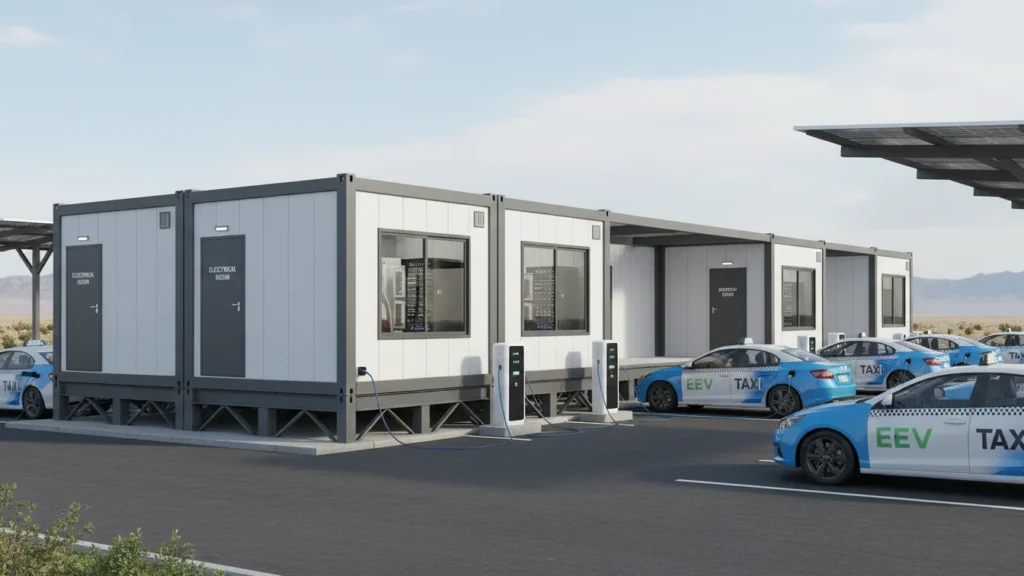
1. Introduction: EV Infrastructure Needs Faster, Smarter, Modular Solutions
Electric mobility is accelerating at an unprecedented pace. Governments, fleet operators, energy providers, malls, smart cities, and developers worldwide are rapidly expanding EV charging networks. However, the real challenge is not only the deployment of chargers themselves but also building secure, durable, and technically advanced control centers that house:
• Switchgear
• Power distribution equipment
• SCADA systems
• Communication servers
• Battery storage
• Cooling systems
• IoT and network devices
• Safety & monitoring systems
Traditional brick-and-mortar construction is slow, expensive, and difficult to scale, especially in fast-growing EV markets like the UAE, GCC, Africa, India, and Southeast Asia.
This is why porta cabins—custom-engineered, modular, weatherproof structures—are now becoming the backbone of EV infrastructure. They enable rapid deployment, cost-efficient construction, and scalable layouts, making them the preferred choice for EV charging operators.
This blog explores why porta cabins are the perfect “Infrastructure in a Box” for modern EV charging control centers.
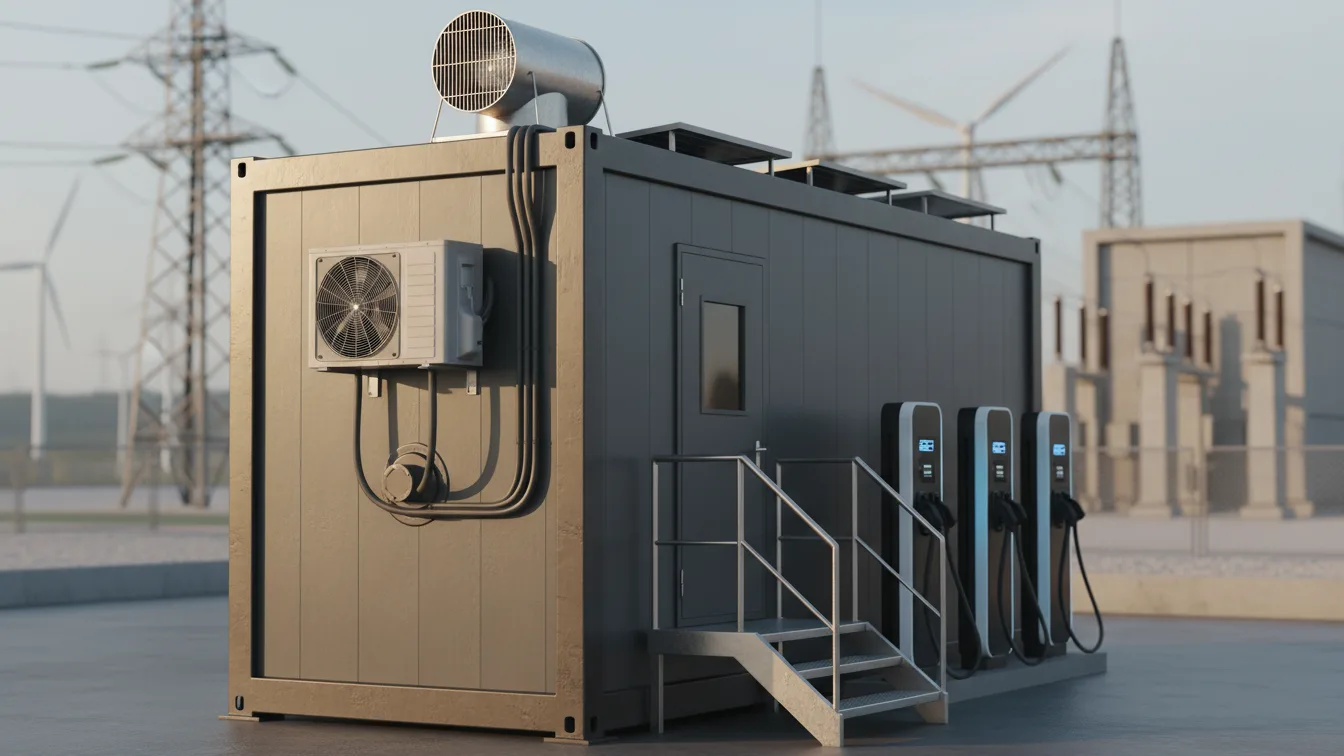
2. Understanding Porta Cabin-Based EV Charging Control Centers
A porta cabin for EV charging operations is more than a simple portable room. It is a fully engineered, insulated, and safety-compliant control center that houses all critical equipment required to operate, monitor, and manage EV chargers.
2.1 What Makes Porta Cabins Suitable for EV Infrastructure?
• High durability
• Insulated and climate-controlled environment
• Strong structural integrity
• Easy electrical and mechanical integrations
• Fire safety compatibility
• Weather-resistant for UAE heat and global climates
• Expansion-friendly modular design
• Rapid on-site installation
Porta cabins can be manufactured in 7–25 days, transported to the site, and installed in hours—making them ideal for EV operators who need fast scaling.
3. Why Traditional Construction Fails for EV Charging Infrastructure
EV charging stations need:
• Separate rooms for electrical equipment
• Strict temperature and humidity control
• Dust-free and moisture-free environments
• Fire-rated and insulated interiors
• Cable management and equipment mounting systems
• Technical flooring
• Safety compliance
• Easy upgradeability
Conventional construction requires:
• 6–12 months timeline
• Multiple contractors
• Heavy civil work
• Large budgets
• Difficult future expansion
• No relocation capability
Porta cabins eliminate these bottlenecks and offer flexible, future-ready infrastructure.
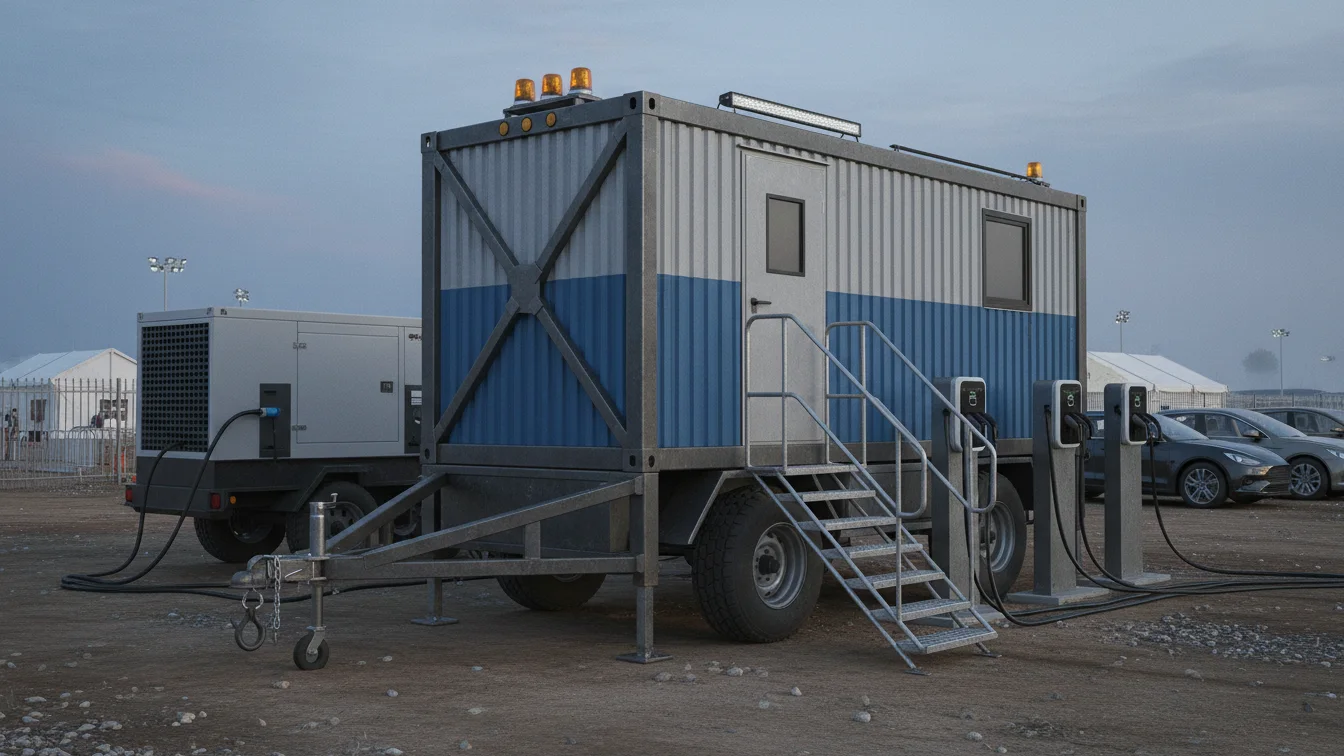
4. Porta Cabin Construction Materials for EV Control Centers
Your company provides all major structure types. Here is the accurate technical explanation tailored to your offerings.
4.1 Steel Structure Porta Cabins
A heavy-duty steel frame ensures structural integrity, load-bearing strength, and long-term durability.
Benefits:
• High strength
• Long life
• Ideal for heavy electrical equipment
• Easy to modify for future upgrades
4.2 Insulated Sandwich Panel Porta Cabins (PU/PIR)
These cabins use PU/PIR sandwich panels for walls and roofs.
Benefits:
• Excellent thermal insulation
• Energy-efficient cooling
• Lightweight yet strong
• Ideal for UAE and GCC climates
• Reduces HVAC load
4.3 Cement Board + Texture Paint Exterior
For more premium or architectural finishing.
Benefits:
• Fire-resistant
• Smooth finish
• Aesthetic appeal
• Strong against moisture and heat
4.4 ACP (Aluminium Composite Panel) Cladding Exterior
Selective EV centers prefer ACP for a premium look.
Benefits:
• Elegant exterior
• Easy to clean
• UV-resistant
• Provides brand-identity custom colors
4.5 RAL Color Painted Steel Exterior
The most commonly used exterior finishing in EV cabins.
Benefits:
• Cost-effective
• Fast production
• Custom RAL color options
• Good outdoor resistance
4.6 Why Offering All Four Options Matters
Each EV project has different architectural, safety, and climatic requirements. Having all four finishing types allows you to serve:
• Public EV stations
• Fleet depots
• Industrial EV hubs
• Smart city projects
• Government EV infrastructure
• Highway charging stations
• Mall charging stations
• Airport EV planning
This versatility makes your porta cabins suitable for any environment.
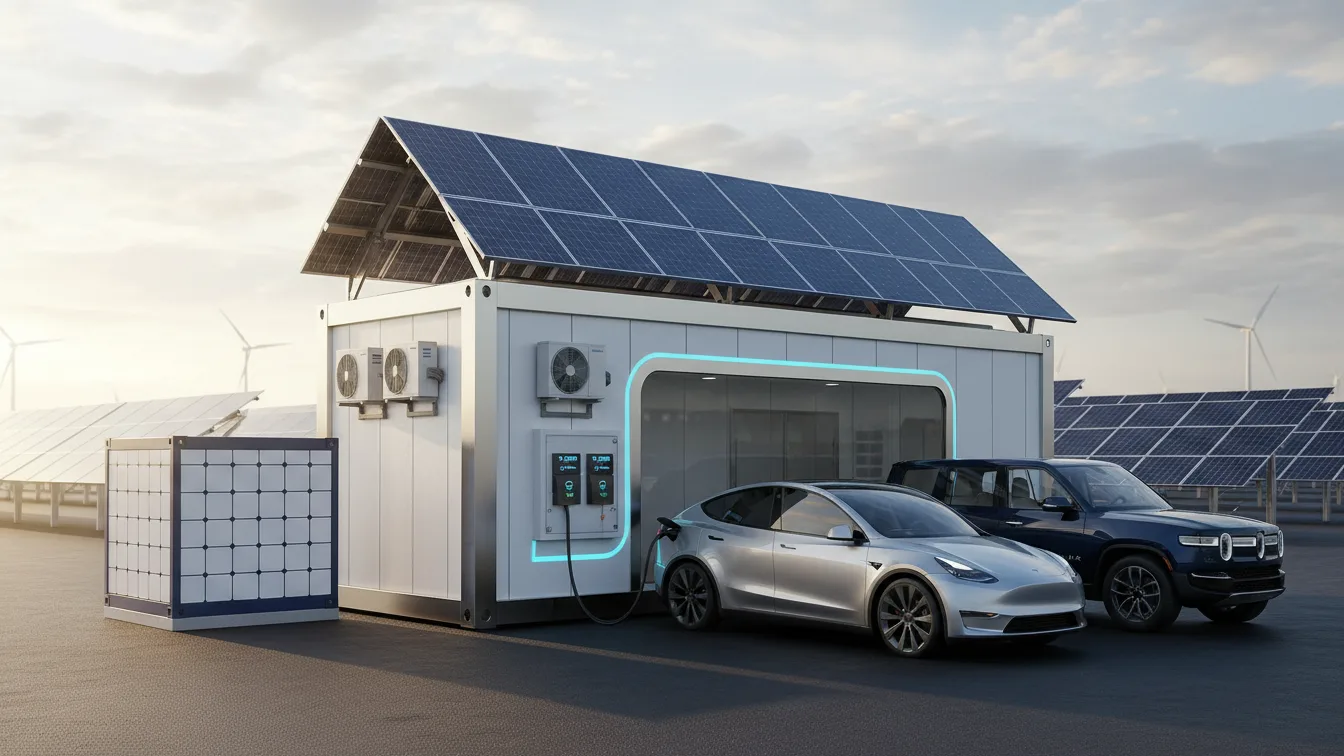
5. Types of Porta Cabins for EV Charging Control Centers
5.1 Standard Steel Porta Cabin (Economical & Durable)
Best for:
• AC charger stations
• Budget-friendly projects
• Temporary installations
This design provides strength, insulation, and a clean interior for essential equipment.
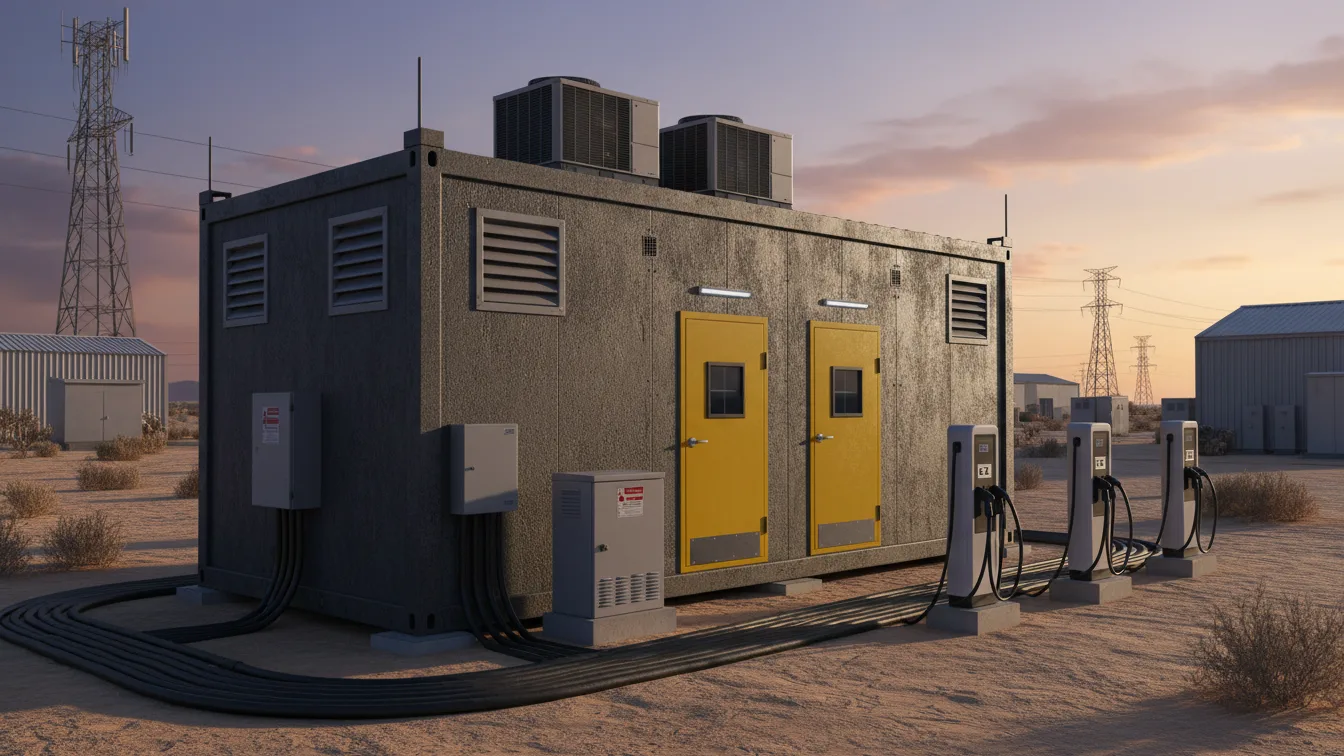
5.2 Premium Porta Cabin (Weather-Resistant & Long Life)
Best for:
• Desert sites
• Coastal areas
• Long-term EV deployments
• Industrial and commercial zones
Features:
• Steel structure
• Two options for walls: PU/PIR insulated panels or cement board
• RAL painted or ACP cladded exterior
• UV-resistant and corrosion-protected
• Fully insulated interior
• Long operational lifespan
• Minimizes heat transfer—critical for EV equipment
5.3 Modular Multi-Room Porta Cabins
Best for:
• DC Fast Chargers
• High-power charging stations (150kW–600kW)
• Fleet depots
• Large-scale EV parks
Typical rooms inside:
• Electrical room
• Control room
• Battery storage room
• Server & IT communication room
• Cooling equipment room
• Storage section
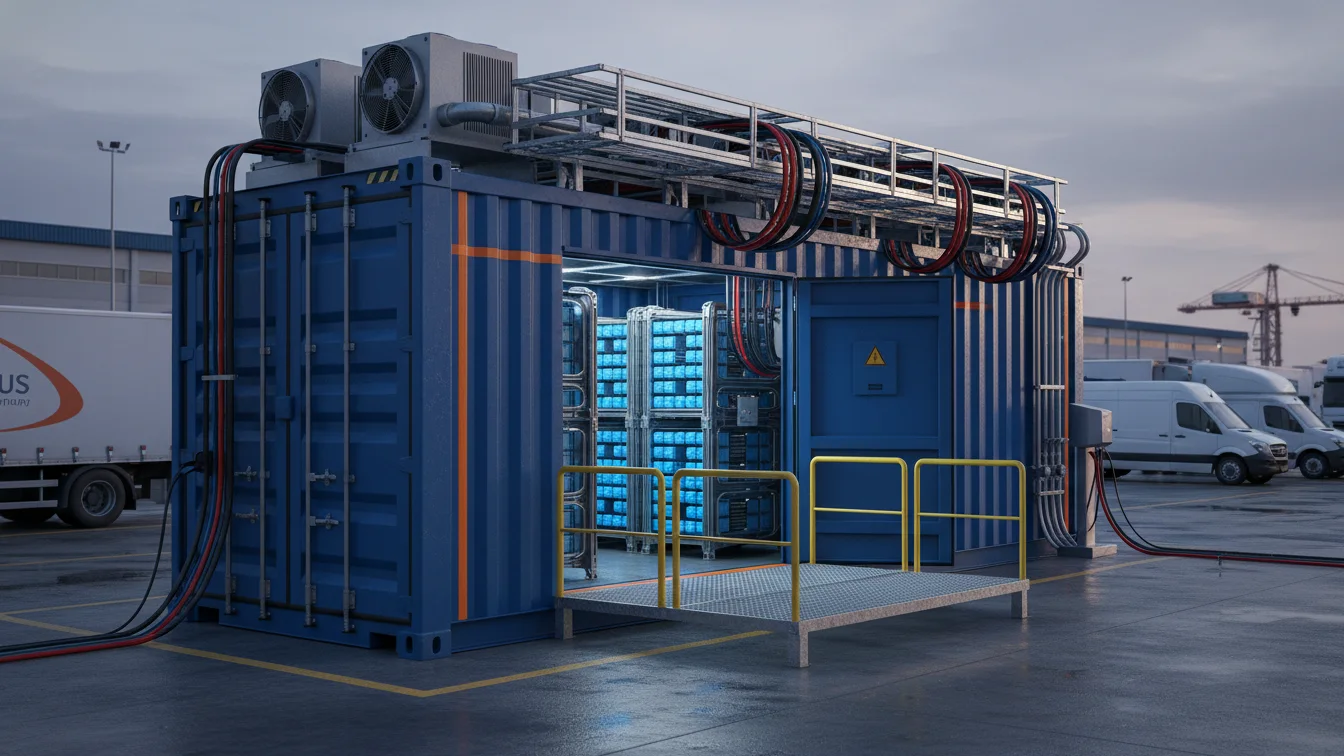
5.4 Containerized Control Centers (Up to 40ft)
Best for:
• Industrial EV stations
• Mobile charging hubs
• Mega charging farms
Strengths:
• Extremely rugged
• Heavy load capacity
• Simple transportation
• Ideal for remote or cross-border projects
6. What Goes Inside an EV Charging Control Cabin?
6.1 Electrical Components
• Main distribution panel
• MV/LV switchgear
• Breakers and isolators
• Cable trays
• Surge protection
• Earthing system
• Smart meters
• Din-rail devices
6.2 Battery Room (If Using BESS)
• Li-ion battery racks
• Temperature monitoring
• Separate ventilation
• Fire suppression system
• Insulated flooring
6.3 Server & IoT Room
• Routers
• Fiber interface
• Network switches
• SCADA systems
• Charging management system hardware
• Data logging equipment
6.4 Cooling Systems
Porta cabins maintain:
• Temperature between 18–26°C
• Humidity below 65%
Through:
• Split AC units
• Air vents
• Exhaust fans
• Dehumidifiers (optional)
6.5 Safety Systems
• Fire alarms
• EM lighting
• CCTV
• Access control (card/RFID)
• Gas suppression (FM-200)
• Smoke detectors
6.6 Interior Fit-Out
• Anti-static flooring
• Cable trunking
• Insulated roof ceiling
• Partitioned layout
• LED lighting
• Operator workstation
7. How Porta Cabins Improve EV Charging Station Performance
7.1 Faster Deployment
Install-ready cabins reduce project launch time by 70%.
7.2 Higher Uptime
Insulated construction keeps equipment protected from UAE/GCC heat.
7.3 Lower Operational Costs
Reduced HVAC load and minimal maintenance.
7.4 Fully Customizable
Layouts can be tailored to EV equipment requirements.
7.5 Scalable for Future Upgrades
Add-on cabins can be interconnected.
8. Application Areas of Porta Cabin EV Control Centers
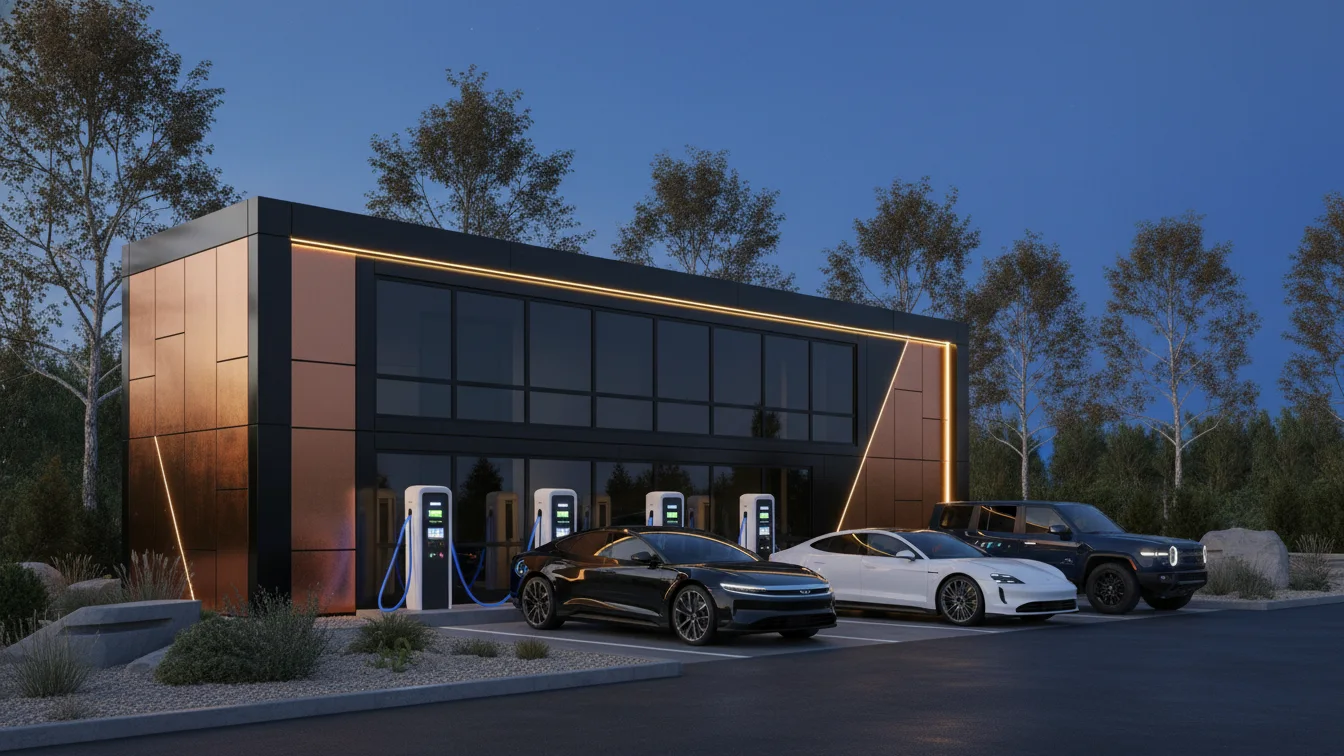
8.1 Public Charging Stations
• Malls
• Highways
• Metro stations
• Parking lots
• Hotels
8.2 Fleet Charging
• School buses
• Taxis
• Delivery vehicles
• Logistics operations
8.3 Residential & Community EV Stations
• Villas
• Communities
• Smart cities
8.4 Industrial EV Charging
• Factories
• Warehouses
• Construction sites
8.5 Mobile EV Charging
Cabins integrated with trailer-based chargers for temporary setups.
9. Combining Porta Cabins With Renewable Energy
Many EV investors integrate:
9.1 Solar Power
• Solar panels feed into the cabin
• Inverters and charge controllers installed inside
9.2 Battery Storage (BESS)
• Load shifting
• Peak shaving
• Night-time charging
9.3 Smart Energy Management
Automated energy distribution using:
• AI
• IoT
• Cloud platforms
10. Technical Specifications of EV Control Porta Cabins
Structure
• Steel frame
• Anti-rust treatment
• Welded joints
Walls
• PIR/PU sandwich panels
• Cement board+texture option
• ACP cladding option
Roof
• Insulated panels
• Rain-proof design
• Optional overhang
Floor
• Steel frame + marine ply
• Vinyl or anti-static finishing
• Cable entry ports
Electrical
• Industrial-grade wiring
• Panels & DB rooms
• Earthing system
• Cable trays
HVAC
• 1–8 ton AC units
• Temp control systems
Fire Safety
• Fire-rated doors
• Gas suppression
• Smoke detectors
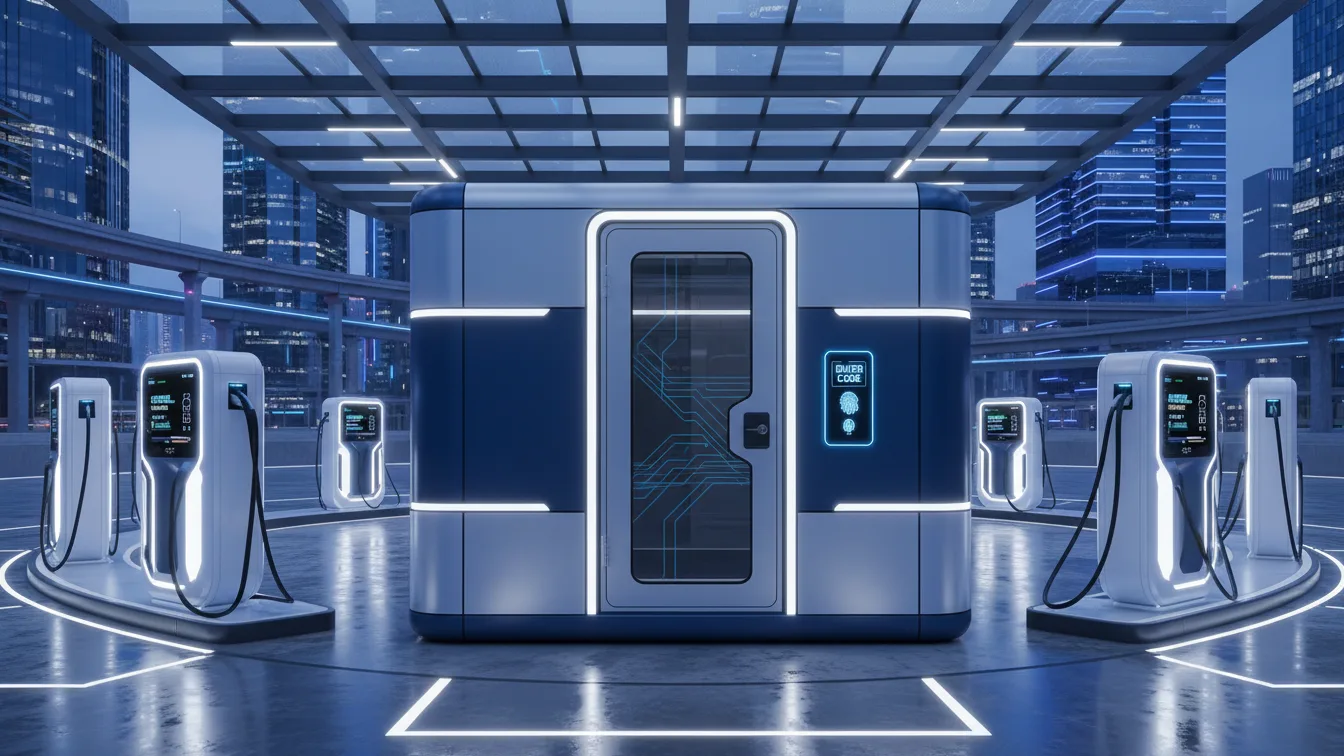
11. Case Study: UAE EV Charging Deployment Using Porta Cabins
A UAE EV operator needed:
• 20 fast chargers
• SCADA control center
• BESS battery room
• Cooling system enclosure
Using porta cabins:
• Deployment time reduced from 6 months → 28 days
• Cost reduced by 40%
• Full testing completed off-site
• Cabins installed in 24 hours
12. Cost Comparison: Porta Cabin vs Traditional Construction
| Feature | Porta Cabin | Traditional Site-Built |
|---|---|---|
| Deployment Time | 7–25 days | 120–300 days |
| Mobility | Yes | No |
| Customization | High | Low |
| Renovation Cost | Minimal | High |
| Heat Resistance | Excellent | Medium |
| Expansion | Easy | Difficult |
Porta cabins provide superior ROI for EV operators.
13. Challenges & Solutions
13.1 Heat Management
Solution: PU/PIR insulation + split AC units
13.2 Heavy Equipment Load
Solution: Reinforced steel flooring
13.3 Fire Safety
Solution: Fire-rated partitions + FM200 system
13.4 Cable Routing
Solution: Raised flooring + cable trenches
14. Future Trends in Porta Cabin EV Infrastructure
14.1 AI-Driven EV Control Rooms
Predictive energy distribution, remote fault diagnosis.
14.2 Mega Charging Hubs
Modular cabins scaling up to 5MW+ power.
14.3 Autonomous Fleet EV Charging
Cabins supporting fully automated operations.
14.4 Portable Rapid Charging Units
Trailer-based, cabin-supported mobile chargers.
15. Conclusion
Porta cabins are redefining EV charging infrastructure in the UAE, GCC, Africa, Europe, and Asia. With steel structures, insulated sandwich panels, cement board finishing, ACP cladding, and RAL-painted exteriors, they provide unmatched durability, insulation, adaptability, and speed of setup.
As EV adoption grows, operators need solutions that reduce project time, remove construction barriers, support high-power electrical systems, and provide reliable operational environments.
Porta cabins deliver exactly that—a complete “Infrastructure in a Box”, ready for the future of electric mobility.