
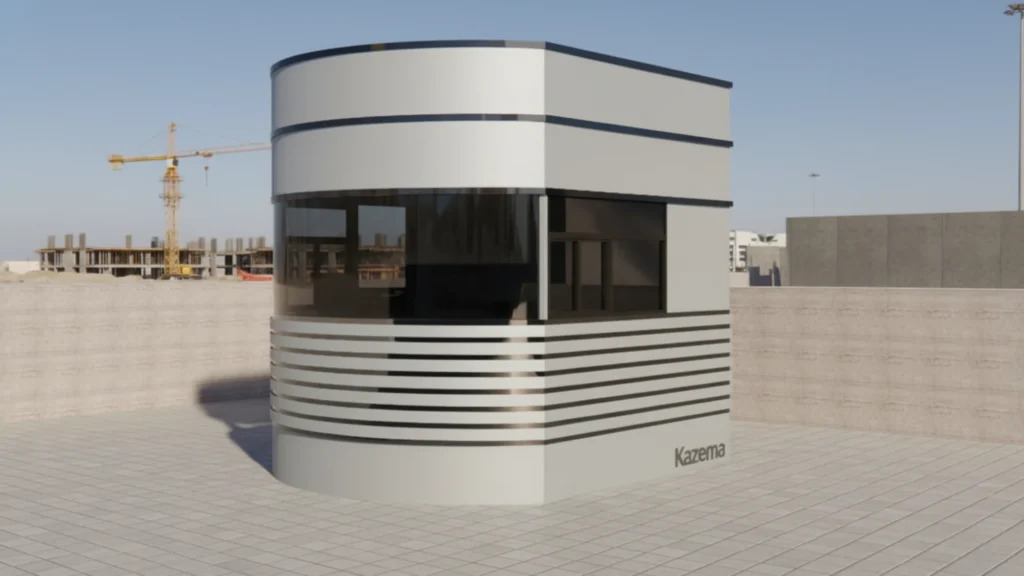
Meeting Diverse Security Needs in the UAE
As the United Arab Emirates continues to expand its infrastructure, tourism, and industrial sectors, the need for adaptable and reliable security solutions has never been greater. Modular security cabins are at the forefront of this trend. Unlike single‑piece portable cabins, modular units are built from standardized panels that can be configured and reconfigured to meet specific operational requirements. They offer scalability, rapid deployment, and customization, making them ideal for construction sites, festivals, sporting events, and any situation where security operations must adapt quickly to changing conditions.
In contrast with competitors operating in India, our focus is on meeting the unique demands of the UAE market. Extreme weather conditions, strict building codes, and high expectations for aesthetics mean that modular security cabins here must be durable, comfortable, and visually appealing. This article explores why modular security cabins are gaining popularity, how they are customized, and what buyers should consider when choosing the right solution for their projects.
Why Modular? The Advantages Over Traditional Guardhouses
Rapid Deployment and Scalability
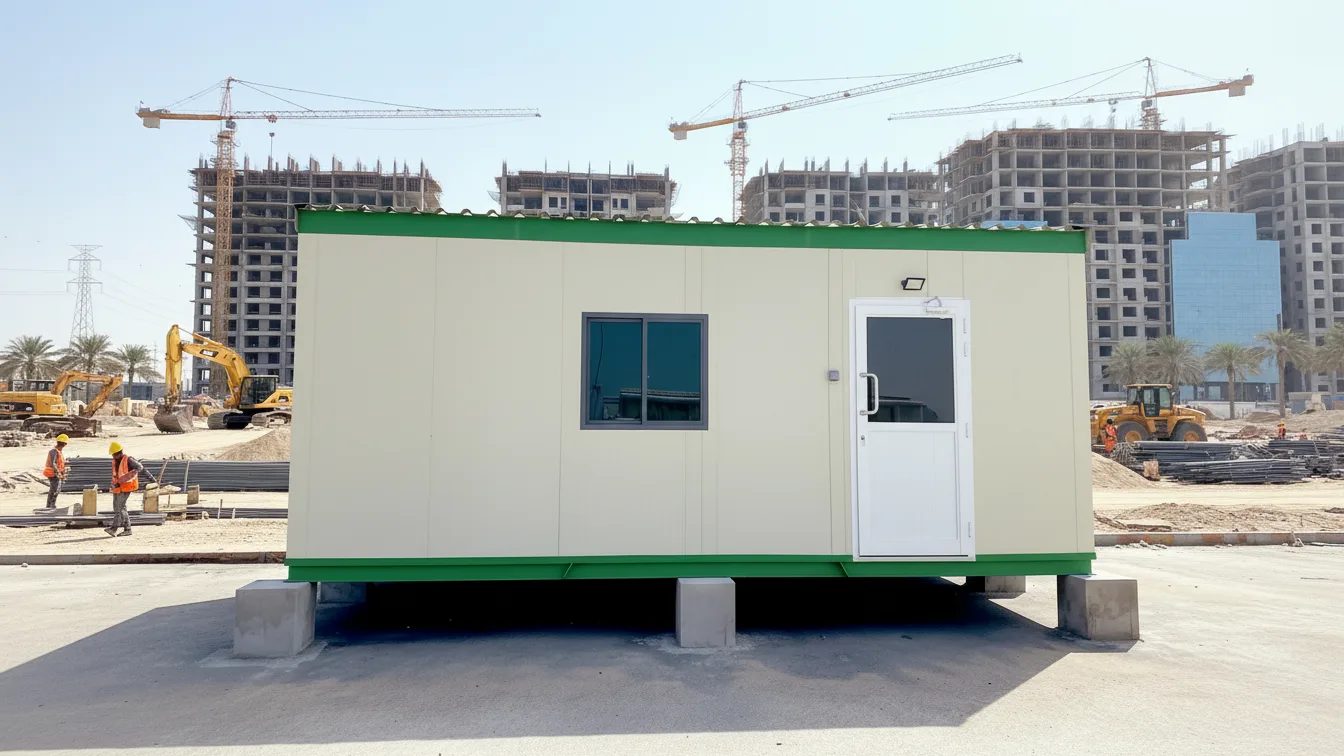
One of the biggest advantages of modular security cabins is speed. Because these units are prefabricated offsite in controlled environments, they can be delivered and assembled on location in a matter of days—sometimes hours. At a large construction site in Al Ain, for instance, a project required multiple checkpoints as the site expanded. The contractor ordered a modular security cabin with three modules that was delivered and installed in less than a week. When the project entered a new phase, an additional module was added to the cabin, creating more workspace without disrupting ongoing operations.
This scalability means that site managers can start with a small footprint and expand as needs arise, avoiding the waste associated with overbuilding or the inconvenience of replacing a cabin entirely. The ability to modify and reconfigure modules also allows cabins to serve multiple purposes over their lifespan; a unit used as an access control point during construction might later be transformed into an information kiosk for a public event.
Customizable Interiors and Features
Modular cabins are highly customizable. Interior partitions can be added or removed to create separate rooms for different functions, such as a security control room, a visitor waiting area, or even sleeping quarters for staff working extended shifts. This flexibility is particularly valuable in the UAE, where projects often require overnight security in remote locations. Features like bullet‑resistant glass, reinforced doors, and secure storage are available for high‑risk sites.
Climate control is another crucial consideration. Insulated panels and high‑efficiency air conditioning systems keep temperatures comfortable even during the summer months, when outdoor temperatures exceed 45 °C. Ventilation systems ensure fresh air circulation, reducing the risk of humidity‑related issues like mold and condensation. For eco‑conscious clients, solar panels can be integrated into the roof design, powering lighting and surveillance equipment while reducing carbon footprints.
Compliance and Quality Assurance
Because modular security cabins are manufactured in controlled factories, quality control standards are high. Each component is built according to precise specifications and tested before delivery. This ensures compliance with UAE regulations regarding fire safety, electrical systems, and structural integrity. In addition, reputable suppliers offer warranties and maintenance packages, providing peace of mind to buyers who might be wary of potential problems with prefabricated structures.
Aesthetic Integration
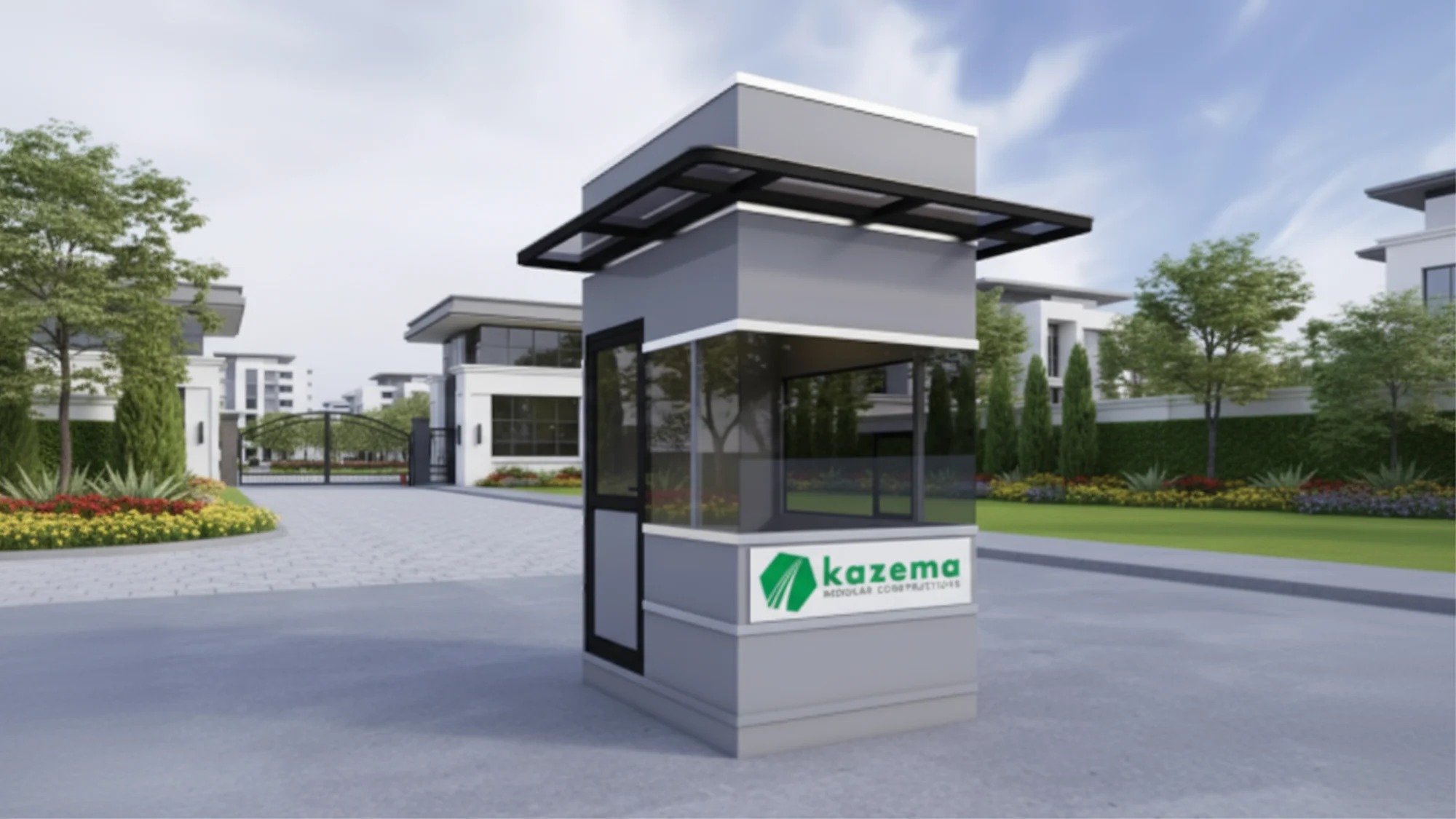
Security cabins are often the first point of contact for visitors or workers entering a site. In upscale environments—such as luxury residential communities in Abu Dhabi or international events like Expo 2020 in Dubai—the appearance of a guardhouse can influence perceptions of professionalism and safety. Modular cabins can be clad with various materials, including aluminium composite panels, wood grain finishes, or even stone veneers, to complement surrounding architecture. Windows can be tinted for privacy and glare reduction, while logos and signage can be incorporated seamlessly into the design.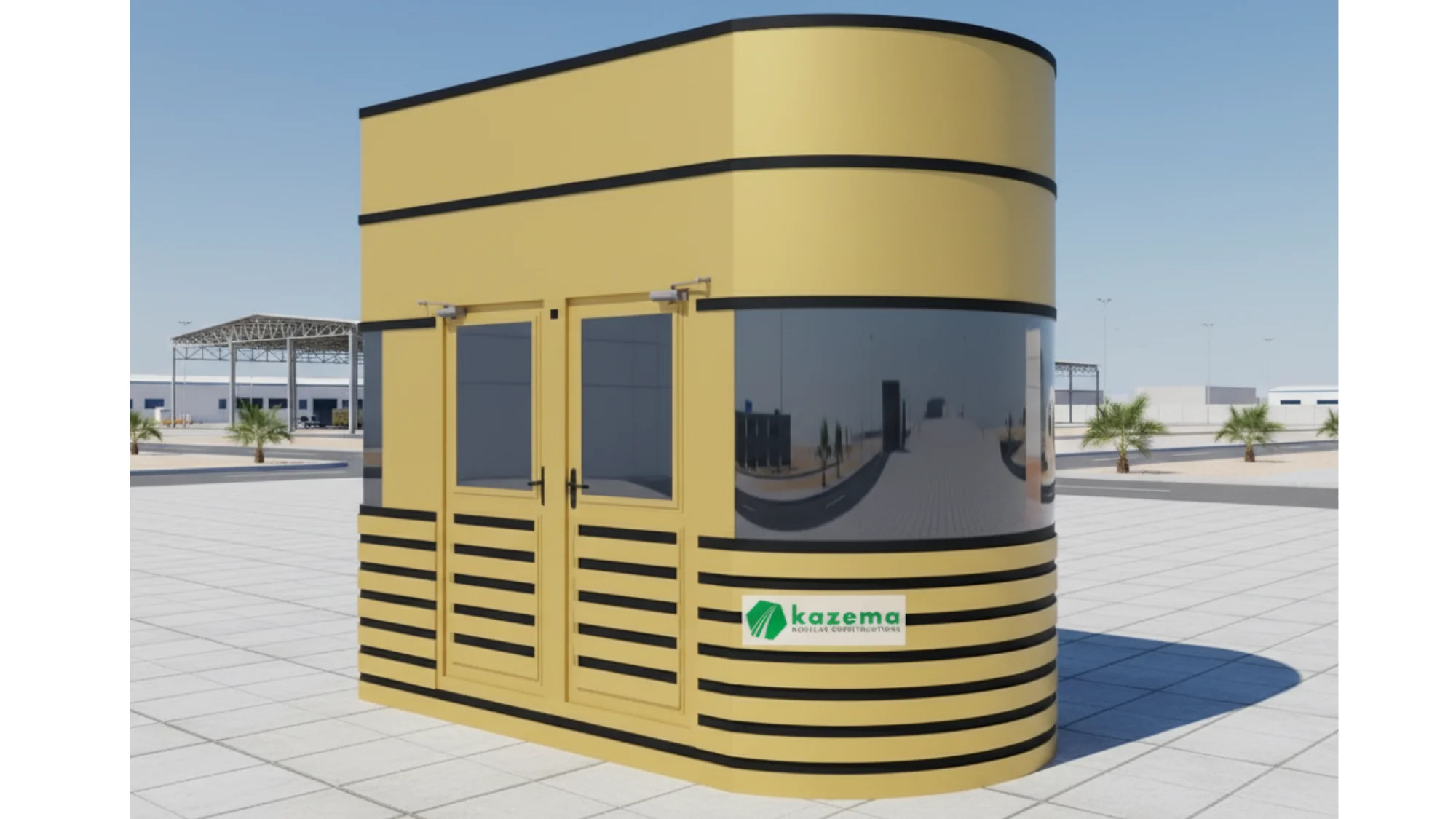
Market Snapshot: Modular Security Cabins in the UAE
The modular building market is booming in the UAE, driven by demand for flexible, high‑quality solutions in construction, hospitality, and public infrastructure. According to local market research, modular construction in the GCC region is expected to grow at a compound annual growth rate (CAGR) of about 7 % between 2024 and 2030. Security cabins are a significant part of this growth, as sites ranging from oil and gas fields to event venues require adaptable security solutions.
Pricing varies based on size and features. A basic single‑module security cabin starts around AED 45,000 to AED 60,000. These models typically include a small office area, windows on three sides, electrical outlets, and basic insulation. For a medium‑sized cabin constructed of two or three modules, prices range from AED 90,000 to AED 140,000, with features such as air conditioning, reinforced doors, and optional restroom facilities. High‑end modular cabins with ballistic protection, advanced surveillance integration, and luxury finishes can exceed AED 250,000.
Rental options are also available for projects lasting a few months. Monthly rental fees generally start around AED 4,000 for a single module, including maintenance. For long‑term use beyond 18–24 months, purchasing often proves more economical.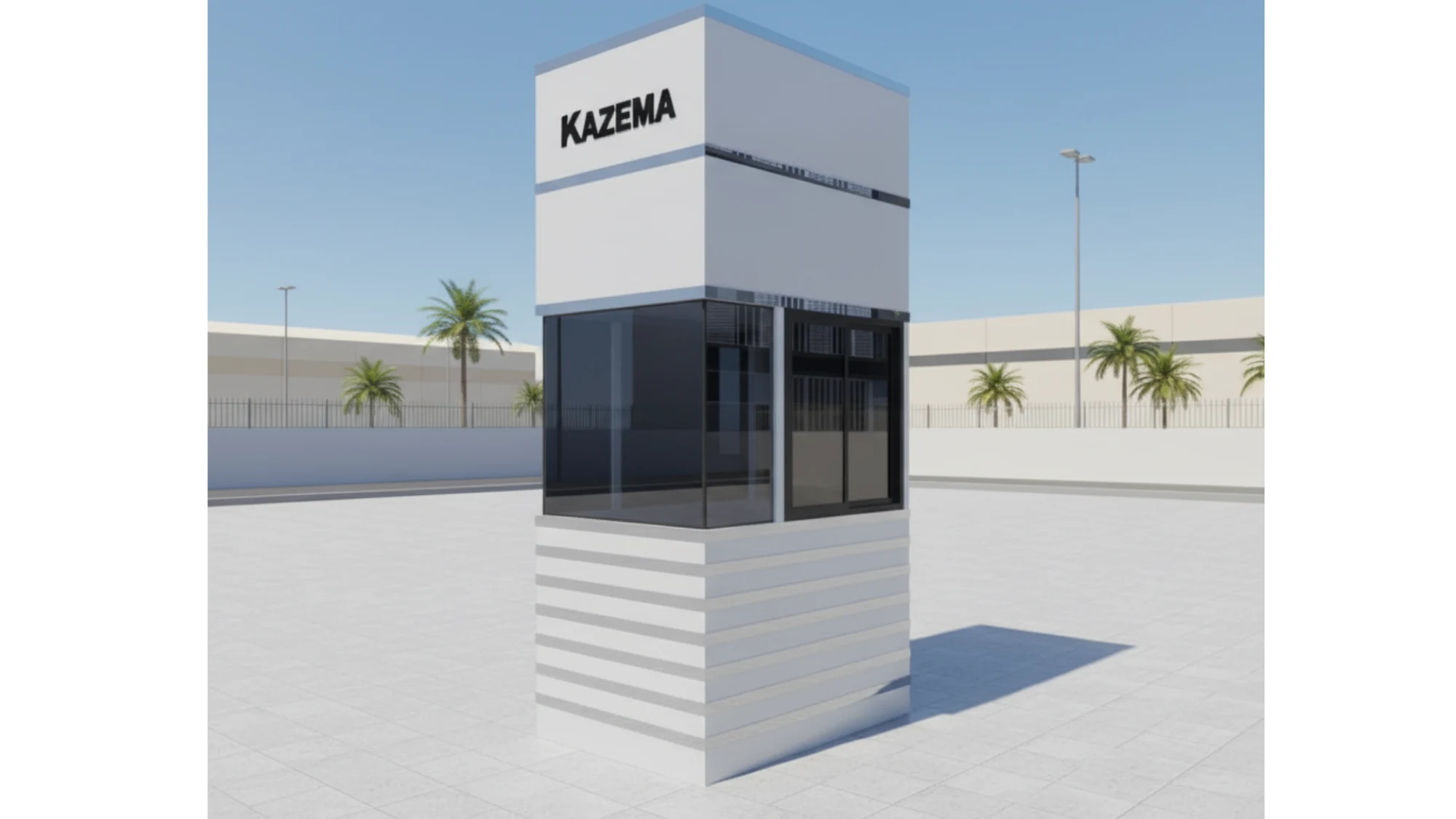
Design Considerations and Customization Options
Space Planning and Layout
When designing a modular security cabin, the first step is to determine the number of functions the cabin must accommodate. Will it serve solely as a guardhouse, or does it also need space for visitor processing, storage, or even a small break room? Typical layouts include:
- Single‑Room Layout: Suitable for small sites or events with one guard. Includes a desk, chair, storage cabinets, and windows for 360‑degree visibility.
- Two‑Room Layout: Separates guard operations from public interaction. A waiting area allows visitors to check in without entering the secure zone. Ideal for residential communities or construction sites with frequent deliveries.
- Multi‑Module Layout: Combines several functions in one structure. One module may house a security control room with monitors and communication equipment, another may serve as an office for site supervisors, and a third may include a restroom or break area. Modules can be attached side‑by‑side or stacked vertically where space is limited.
Materials and Finishes
In the UAE, selecting the right materials is critical. Hot‑dipped galvanized steel frames resist corrosion caused by coastal humidity and desert sand. Wall panels typically feature insulated layers of polyurethane or rockwool to maintain interior temperatures and reduce noise. Floor coverings range from durable vinyl to ceramic tiles for premium models. For high‑traffic areas, non‑slip surfaces improve safety.
Exterior cladding options allow cabins to blend with their surroundings. Modern designs may use aluminium composite panels in sleek grey or metallic finishes, while residential compounds might prefer wood‑grain textures or earth‑toned coatings. Windows can be large for visibility or smaller for increased security; all should be double‑glazed for insulation and soundproofing. For ballistic‑rated cabins, layers of polycarbonate and laminated glass provide protection without sacrificing transparency.
Mechanical, Electrical, and Plumbing Systems
Electrical systems must meet UAE standards, including proper grounding and circuit protection. Cabins should include adequate power outlets, USB ports, and a distribution board for expansion. Emergency lighting is mandatory for compliance with Civil Defence requirements. Air conditioning units must be sized appropriately for the cabin’s volume; split ACs are common for single modules, while VRF (variable refrigerant flow) systems may be used for larger installations.
Plumbing is optional but recommended for long shifts. Restroom modules can be integrated with water storage tanks and pumps if sewer connections are unavailable. Handwashing stations are increasingly popular in post‑pandemic designs to improve hygiene. For remote sites, solar water heaters and greywater recycling reduce reliance on external utilities.
Security Technologies
Modular cabins can serve as nerve centers for site security. Popular technology options include:
- CCTV Systems: High‑definition cameras mounted on the cabin exterior or integrated into nearby poles. Footage can be monitored inside the cabin or streamed to a remote control center.
- Access Control: RFID card readers, biometric scanners, and automatic barriers regulate entry. These systems enhance security by logging all entries and preventing unauthorized access.
- Communication Equipment: Two‑way radios, intercoms, and network connectivity keep guards in contact with site management and emergency services.
- Intrusion Detection: Sensors on doors and windows trigger alarms if tampered with, providing additional protection when the cabin is unoccupied.
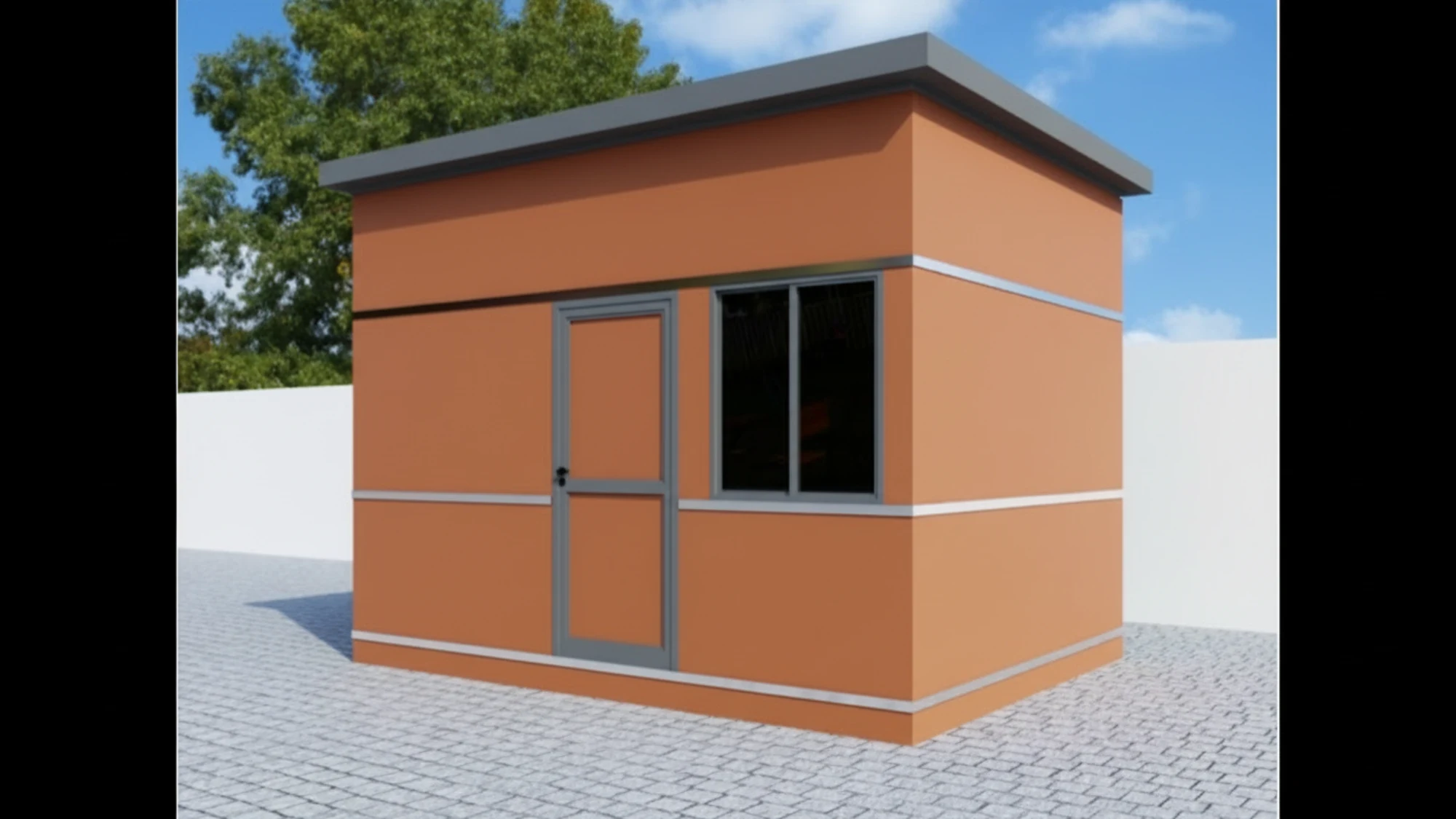
Case Study: Modular Security Cabins at a Cultural Festival
An annual cultural festival in Sharjah attracts tens of thousands of visitors each year. Organizers needed secure entry points that could be installed quickly and dismantled after the event. They opted for modular security cabins comprising two units each: one serving as a ticketing booth and the other as a monitoring and control room. The cabins featured large service windows, climate control, and storage for wristbands and ticket scanners.
The customization allowed staff to process attendees efficiently, while a dedicated control module housed surveillance equipment connected to central event management. After the festival ended, the cabins were transported and reconfigured for use at a sporting event in Dubai. This flexibility saved the organizers significant costs compared to building temporary structures from scratch for each event.
Pros and Cons of Modular Security Cabins
Pros
- Flexibility: Modules can be added or removed to match project growth or contraction.
- Customization: Interior layouts, finishes, and technology can be tailored to specific needs.
- Rapid Deployment: Minimal on‑site construction means quicker installation than permanent structures.
- High Quality: Factory production ensures consistent standards and compliance with UAE regulations.
- Portability: Units can be relocated, maximizing ROI over multiple projects or events.
Cons
- Initial Cost: Modular cabins often cost more than basic single‑piece units.
- Foundation Requirements: Larger assemblies may require a prepared foundation or footings.
- Complex Integration: Advanced technology systems need specialized installation and maintenance.
- Limited Vertical Expansion: While modules can be stacked, height is constrained for stability and compliance.
Buying Considerations: What to Look For
When selecting a modular security cabin supplier, consider the following:
- Experience and References: Choose suppliers with proven track records in the UAE. Ask to see previous installations and client testimonials.
- Customization Ability: Ensure the supplier offers design services and flexible options for interiors, exteriors, and technology integration.
- Quality and Compliance: Verify that materials meet ISO and Civil Defence standards. Ask about warranties and maintenance support.
- Delivery and Installation: Confirm lead times, transportation logistics, and site preparation requirements.
- After‑Sales Service: Look for suppliers who offer training for security staff, ongoing maintenance, and upgrade options.
Sustainability and Corporate Responsibility
Just like second‑hand cabins promote circular economy principles in India, modular cabins in the UAE can align with sustainability initiatives. By reusing modules across projects and opting for eco‑friendly features, businesses reduce waste and energy use. Suppliers increasingly offer green options such as solar roofs, insulated walls made from recycled materials, and low‑VOC (volatile organic compound) interiors.
Choosing sustainable solutions also enhances corporate reputation. Government projects and multinational companies often require vendors to meet ESG (Environmental, Social and Governance) criteria. Investing in energy‑efficient modular cabins helps meet these expectations and may improve eligibility for green building certifications like LEED or Estidama.
FAQs on Modular Security Cabins
- Can modular security cabins be relocated easily?
Yes. Modules are designed for quick disassembly and transport. Cabins can be lifted with cranes or forklifts and moved to new locations. - How long does it take to install a modular cabin?
Delivery and assembly typically take between a few days and two weeks, depending on the size and complexity of the configuration. - Are modular cabins more expensive than single‑piece units?
They can be, but the extra cost comes with scalability and customization advantages. Over multiple deployments, modular cabins offer better value. - Can these cabins withstand extreme weather?
Yes. They are engineered for the UAE climate, with insulated walls, sealed joints, and corrosion‑resistant materials. Proper anchoring prevents shifting during high winds. - What are the maintenance requirements?
Regular HVAC servicing, inspection of electrical systems, cleaning, and periodic checks of structural joints are recommended. Suppliers often offer maintenance contracts. - Are modular cabins secure?
With reinforced structures, tamper‑proof locks, and optional ballistic protection, modular cabins provide robust security. Technology integration further enhances safety.
Conclusion
Modular security cabins are a versatile and future‑ready solution for a wide range of UAE applications. Their ability to scale, customize, and relocate offers unmatched flexibility for dynamic projects like construction sites and large events. By investing in modular cabins tailored to local conditions—high temperatures, regulatory demands, and aesthetic expectations—buyers gain a long‑term asset that enhances security, improves operational efficiency, and supports sustainability goals. When sourced from reputable suppliers who understand the UAE market, modular security cabins deliver value far beyond their initial purchase price, positioning businesses and organizations to respond quickly to evolving security needs.