
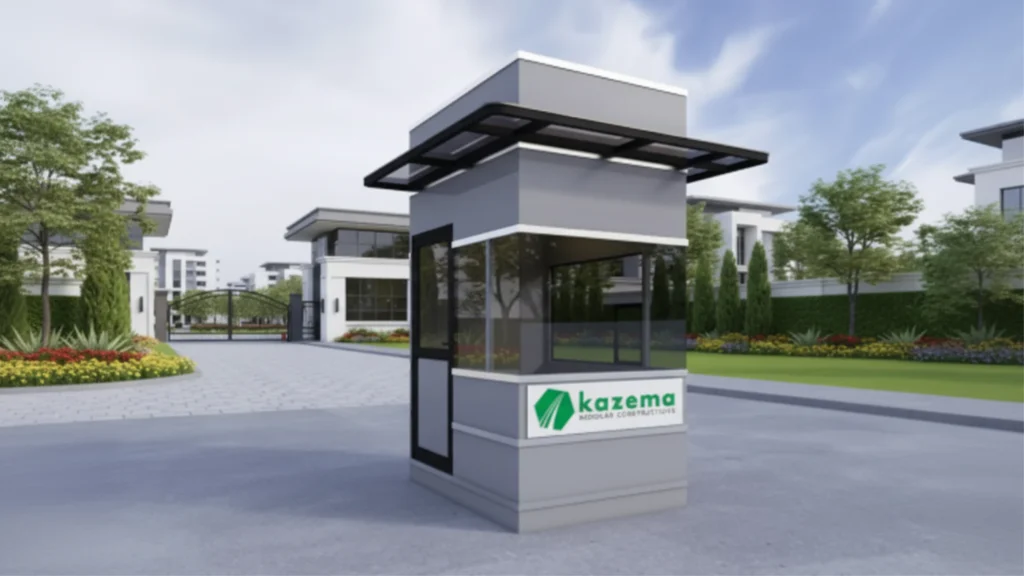
Introduction: The Rise of Prefabricated Security Solutions in the UAE
The United Arab Emirates has witnessed unprecedented growth over the past few decades, spurred by massive infrastructure projects, booming tourism, and rapid urbanization. With new construction sites, warehouses, and commercial developments popping up regularly, the need for secure access control and on‑site monitoring has skyrocketed. While permanent guardhouses have traditionally filled this role, prefabricated security cabins offer a modern alternative that aligns with the UAE’s pace of development. As companies and government agencies aim to reduce build times and adopt sustainable practices, prefabricated cabins are becoming a go‑to solution for efficient, durable, and cost‑effective security.
Unlike conventional construction, prefabricated cabins are manufactured in a controlled factory environment before being transported to the deployment site. This approach allows for greater precision, quality control, and rapid deployment. In this article, we will explore why prefabricated security cabins are gaining popularity in the UAE, focusing on their efficiency, durability, and cost advantages. We will also discuss key features, market trends, and considerations for buyers looking to invest in these versatile structures.
Efficiency: Speed of Manufacture and Deployment
Production in Controlled Environments
Prefabrication involves assembling cabin components in a factory setting where workers follow standardized processes and have access to specialized equipment. This environment eliminates many of the delays associated with on‑site construction, such as bad weather, labor shortages, and supply chain disruptions. Panels, frames, and fittings are produced to exact specifications, ensuring consistent quality and minimizing the need for rework. Once assembled, the cabin is tested for structural integrity, electrical functionality, and climate control before being shipped.
Rapid Installation and Reduced Downtime
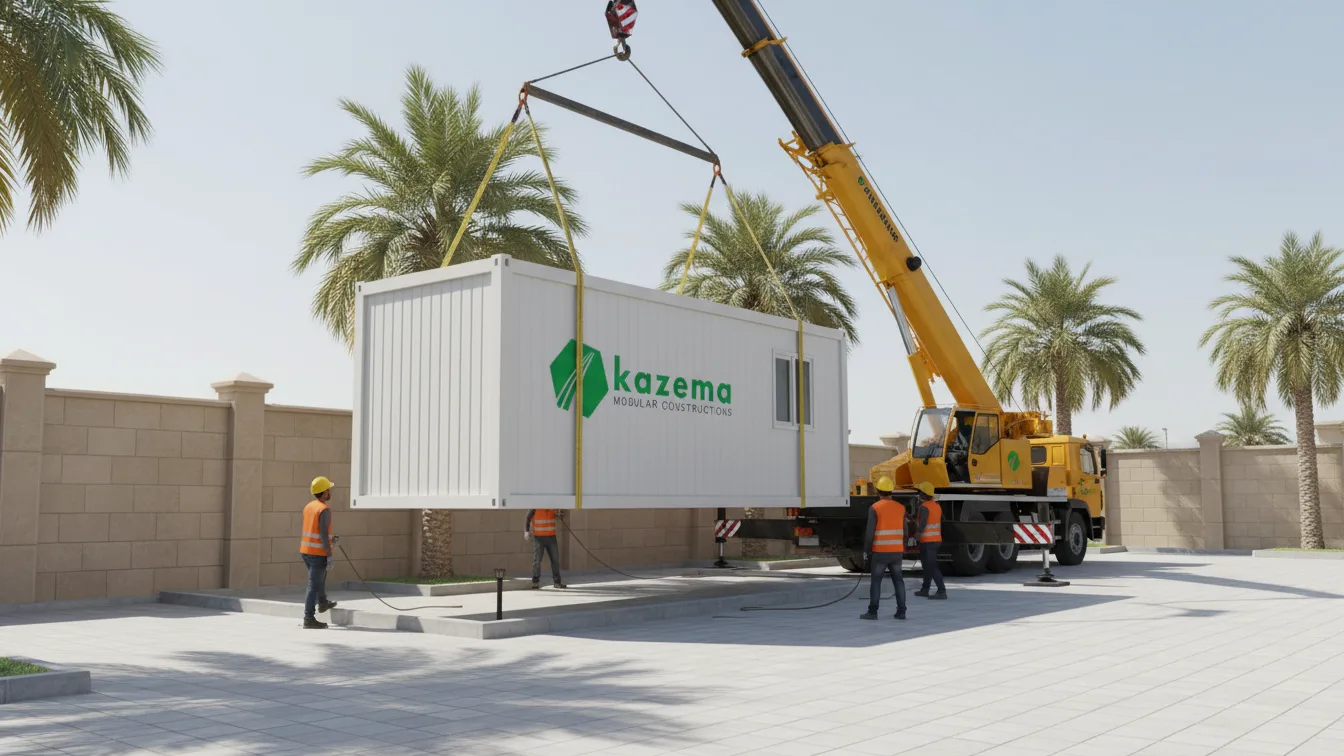
One of the primary advantages of prefabricated security cabins is their quick installation. Because the cabin is delivered as a complete or semi‑complete unit, site preparation is minimal—often limited to leveling the ground and installing basic foundations or footings. In many cases, cabins can be installed in a single day using cranes or forklifts. For businesses and government agencies, this speed translates to faster project timelines and minimal disruption to existing operations. A new logistics center in Dubai, for example, installed four prefabricated security cabins within 72 hours, enabling the facility to begin accepting shipments ahead of schedule.
Adaptability During Project Phases
As projects evolve, security requirements change. Prefabricated cabins can be relocated or repurposed quickly, making them ideal for dynamic environments such as construction sites and event venues. If a project expands, additional cabins can be added without major site preparation. When the project is completed, the cabin can be moved to the next job site or sold, ensuring resources are used efficiently. This adaptability reduces waste and improves ROI compared with traditional guardhouses, which are often demolished when no longer needed.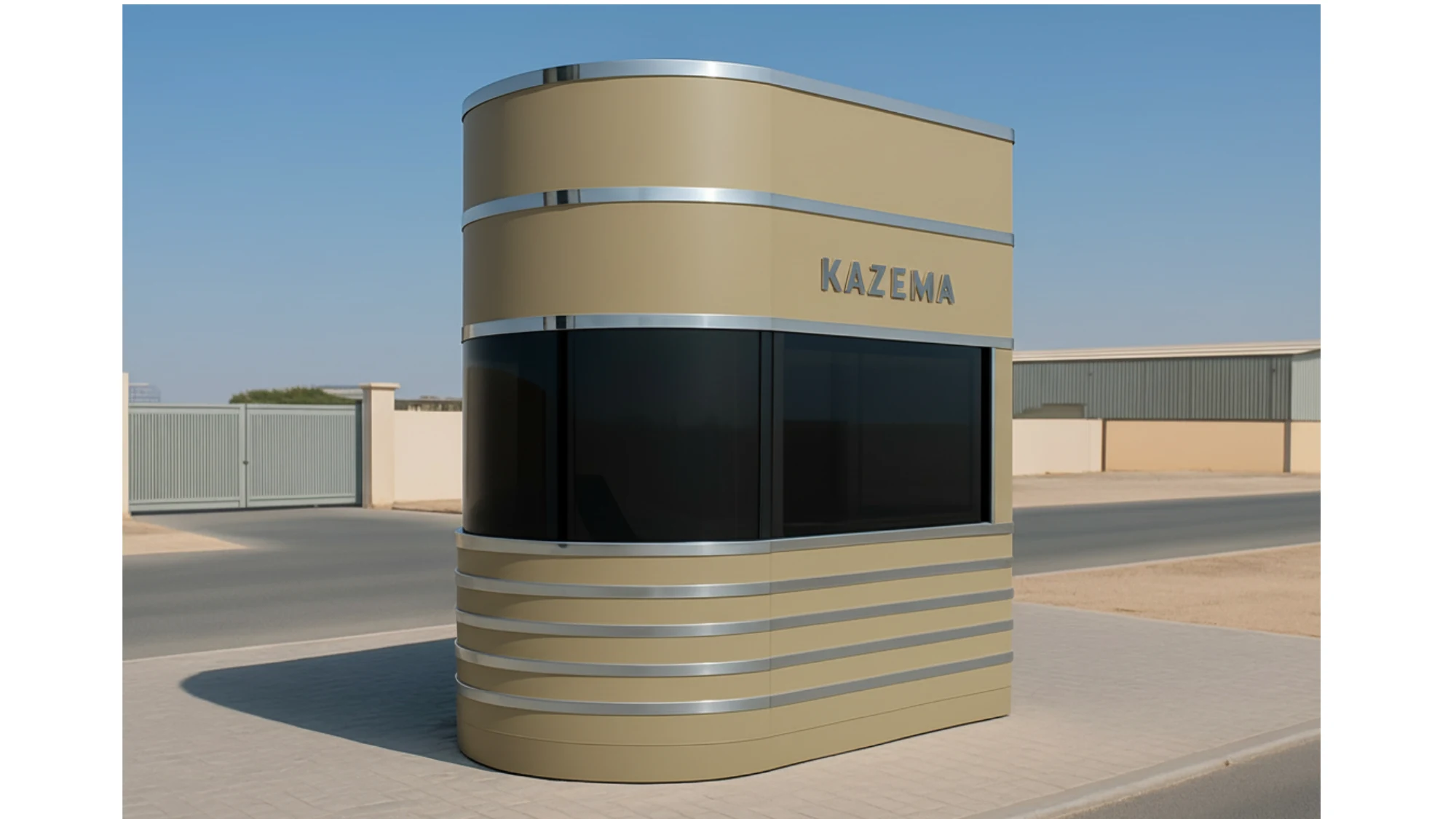
Durability: Built to Withstand the UAE Environment
Materials and Construction Quality
The UAE’s climate can be harsh. Temperatures can exceed 50 °C in summer, while high humidity and salt exposure near the coast accelerate corrosion. Prefabricated security cabins are engineered to withstand these conditions. Most units feature galvanized steel frames that resist rust, reinforced by protective coatings. Exterior walls typically consist of insulated sandwich panels filled with polyurethane foam or mineral wool, providing thermal resistance and structural strength. The panels are sealed to prevent dust and moisture infiltration, ensuring the interior remains clean and comfortable.
Weather and Impact Resistance
High‑quality prefabricated cabins are designed to handle strong winds and sandstorms. Their frames are anchored securely to foundations, and their modular panels interlock to create a robust structure. Roofs feature waterproof membranes and gutters to manage rainwater, preventing leaks and structural damage. In high‑security environments, cabins can be equipped with ballistic‑rated glass and reinforced doors to withstand potential impacts and protect occupants from external threats. These features ensure that the cabin remains functional and safe even under challenging conditions.
Longevity and Maintenance
A well‑constructed prefabricated security cabin can last 15–25 years or more. Durability depends on materials, manufacturing quality, and proper maintenance. Regular inspections of seals, hinges, and HVAC systems are essential to keep the cabin in top condition. In the UAE, where sand and heat can cause wear and tear, simple measures like installing shade structures or cleaning air filters help extend the life of the unit. Many manufacturers provide maintenance packages, ensuring that repairs and replacements are handled by trained professionals.
Cost Benefits: Maximizing Value and ROI
Lower Construction Costs
Building a permanent guardhouse requires significant labor, time, and materials. In contrast, prefabricated cabins benefit from mass production efficiencies and reduced on‑site labor. This results in lower overall costs. An entry‑level prefabricated security cabin in the UAE might cost AED 40,000–50,000, while a custom permanent structure could exceed AED 100,000. Even premium prefab cabins with advanced features are typically more affordable than their traditionally built counterparts. Because production occurs offsite, there are fewer overhead costs and fewer opportunities for costly delays.
Reduced Operational Expenses
Prefabricated cabins are designed to be energy‑efficient. Insulated walls minimize heat transfer, reducing reliance on air conditioning. LED lighting and efficient HVAC systems further lower utility bills. If the cabin includes solar panels or energy storage systems, operational costs decrease even more. In addition, modular cabins depreciate more slowly than temporary structures, maintaining resale value if the owner decides to upgrade or sell. Finally, the ability to relocate the cabin means owners can reuse it across multiple projects, spreading costs over time and improving ROI.
Financing and Rental Options
Suppliers in the UAE offer flexible financing plans to make prefabricated security cabins more accessible. Lease‑to‑own agreements allow buyers to pay monthly fees while using the cabin, eventually gaining full ownership. For short‑term projects or events, rental options are available, often with delivery, maintenance, and removal included. Rentals range from AED 2,000–4,000 per month for basic models and up to AED 6,000–8,000 for premium units. These options enable businesses to manage cash flow and avoid large upfront expenditures.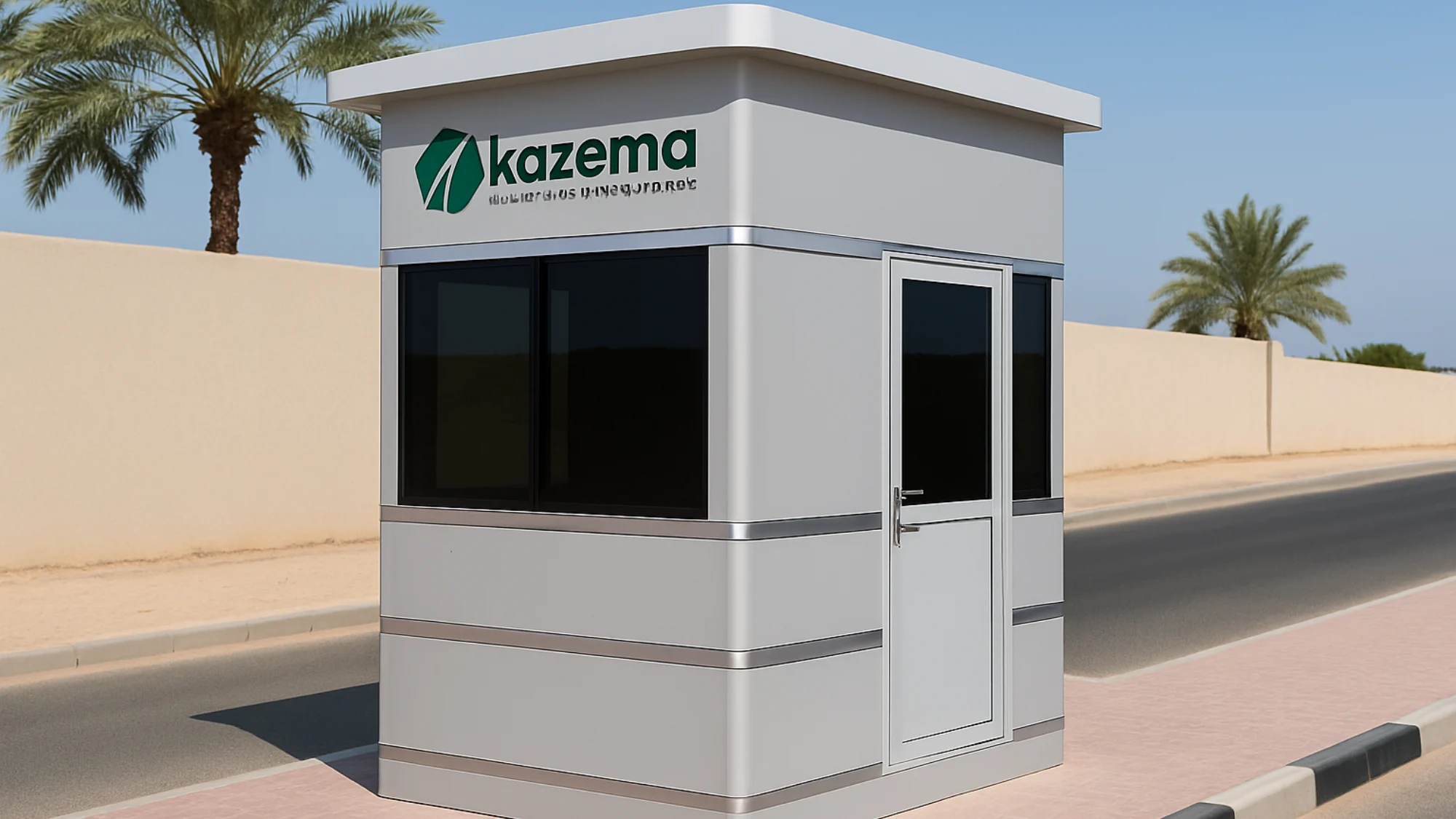
Features and Customization: Tailoring the Perfect Cabin
Interior Layouts
Prefabricated cabins come in a variety of sizes and configurations. Buyers can choose from standardized layouts or work with manufacturers to design custom interiors. Common options include:
- Single Room with Desk: Ideal for small sites or static guard posts. It features a desk, chair, filing cabinets, and windows for full visibility.
- Dual Room Design: Separates the guard area from a waiting room or storage space. Useful for high‑traffic sites where visitors need to check in.
- Multi‑Room Modules: Multiple connected modules with dedicated areas for control centers, meeting rooms, restrooms, and even small kitchens. Popular at large facilities and events.
Interior finishes can range from basic vinyl flooring to high‑end laminate or tiles. Walls may be covered in durable laminate panels or painted steel, and ceilings can be fitted with acoustic tiles to reduce noise. Built‑in counters, shelving, and filing cabinets optimize space for equipment and documents.
Climate Control
Air conditioning is crucial in the UAE’s climate. Split AC units are standard in most prefabricated cabins, with options for ceiling cassette systems in larger or multi‑room configurations. Insulation reduces heat transfer, while double‑glazed windows minimize solar gain. Some cabins feature specialized coatings on windows to block infrared and UV radiation, maintaining comfortable indoor temperatures. Ventilation fans and exhaust systems ensure fresh air circulation, preventing condensation and mould growth.
Technology Integration
Modern security operations rely on technology. Prefabricated cabins can be outfitted with a range of systems, including:
- CCTV Cameras: High‑resolution cameras mounted on walls or poles send feeds to monitors inside the cabin and remote control centers.
- Access Control Systems: Card readers, keypads, and biometric scanners regulate entry through gates and doors.
- Alarm Systems: Motion sensors, glass break detectors, and door contacts trigger alarms in case of unauthorized entry.
- Communication Networks: Wired and wireless connectivity support two‑way radios, intercoms, and data transmission. Some cabins include dedicated server racks for networking equipment.
Manufacturers pre‑install wiring and conduits, simplifying the integration of security systems and reducing installation time on site.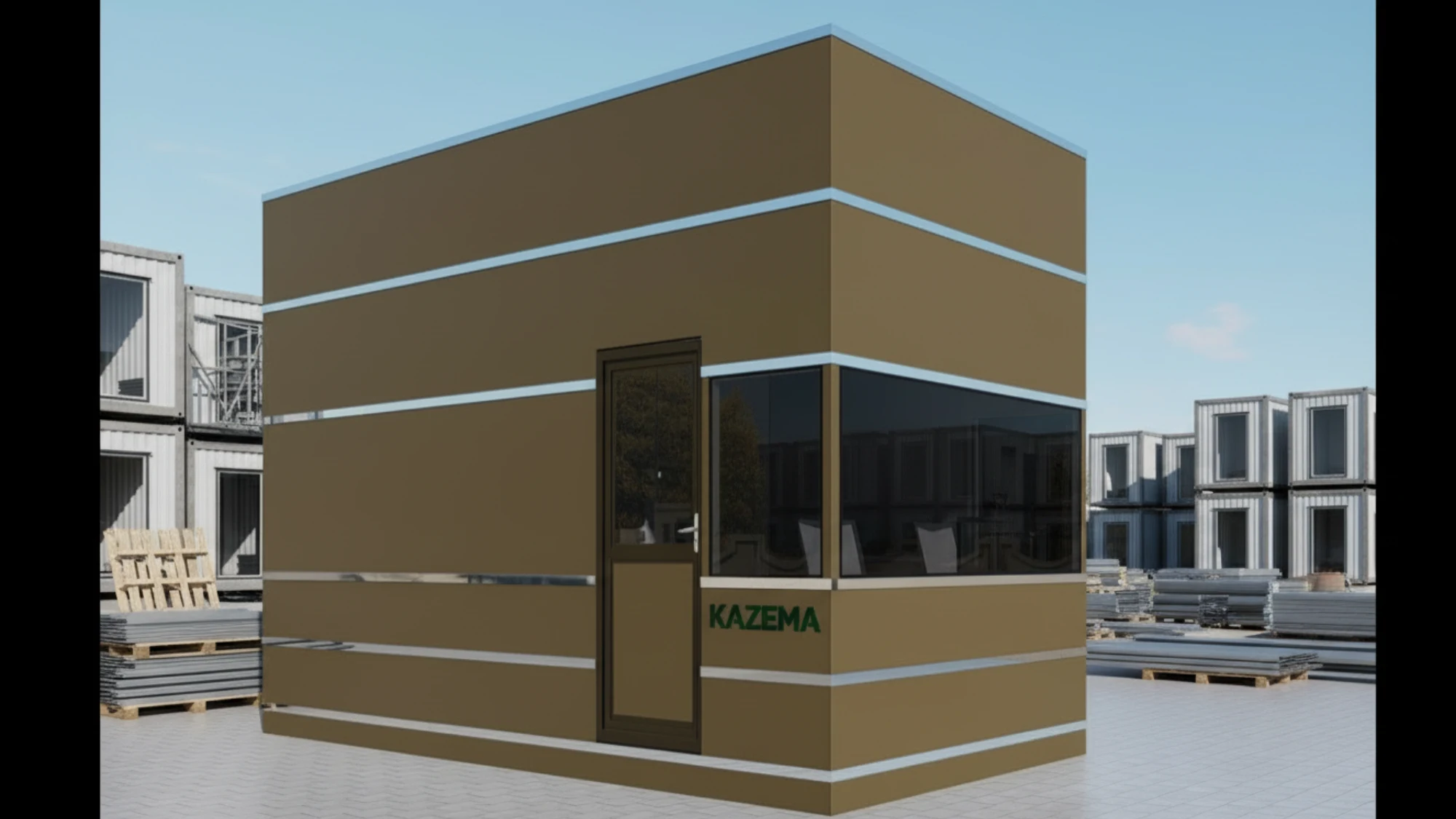
Market Trends and Future Outlook
The demand for prefabricated buildings, including security cabins, is rising across the GCC. Several factors contribute to this trend:
- Urban Development: Large‑scale projects like Expo City Dubai, NEOM, and new free zones require quick‑to‑deploy security solutions.
- Event Hosting: Mega events, from international sporting competitions to cultural festivals, create temporary but high‑profile security needs.
- Sustainability Initiatives: Modular construction aligns with goals to reduce waste and carbon emissions. Prefabricated cabins can incorporate green technologies like solar panels and energy‑efficient insulation.
- Technological Advancements: Smart city initiatives integrate security cabins into wider networks, enabling centralized monitoring and data analytics.
As technology and materials improve, prefabricated cabins will become even more durable and energy‑efficient. Lightweight composite panels and 3D‑printed components may reduce weight and increase design flexibility. The integration of IoT (Internet of Things) sensors will enhance real‑time monitoring, predictive maintenance, and remote management.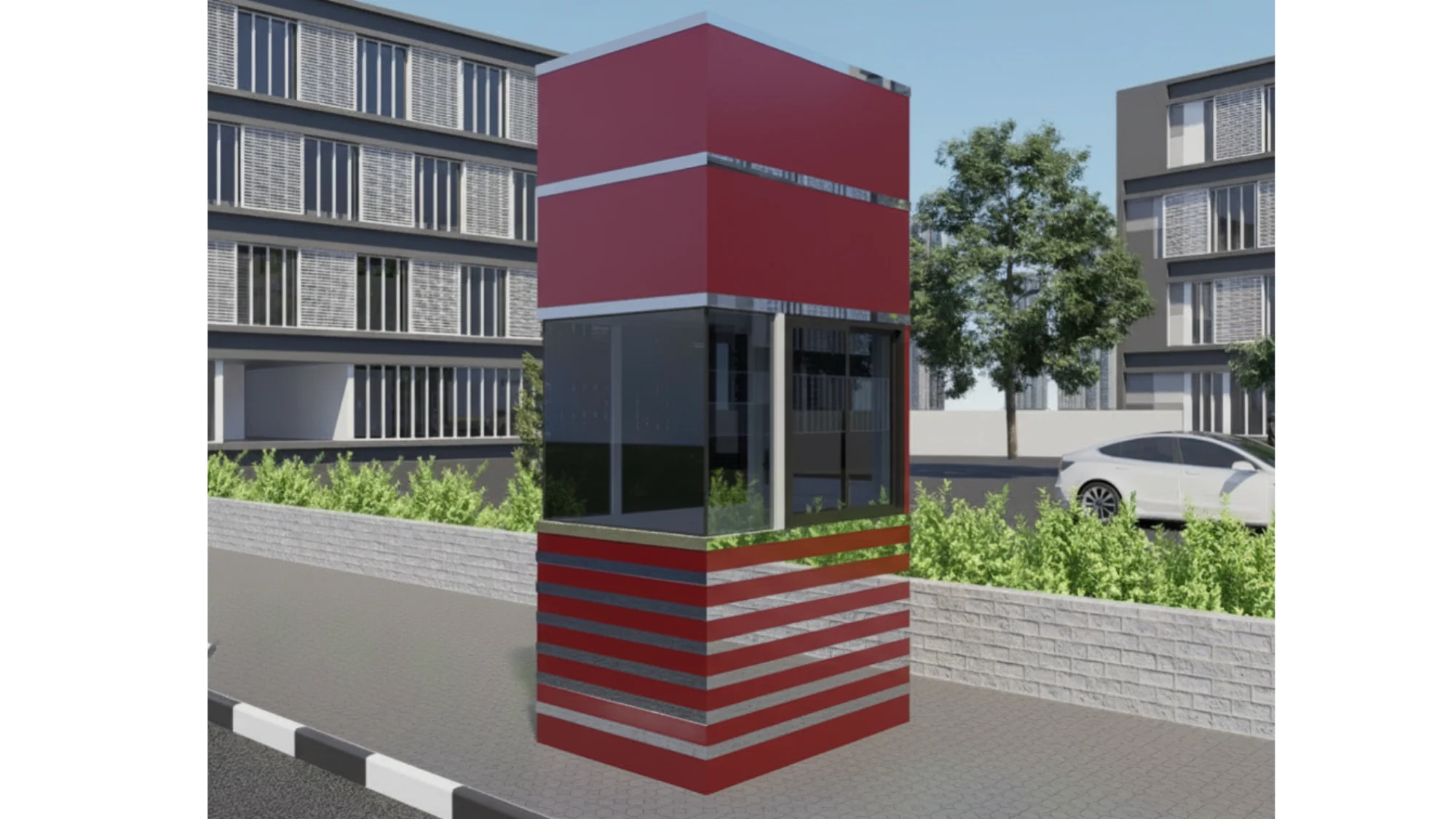
Case Study: Prefabricated Security Cabins at an Oil Refinery
An oil refinery in Ruwais required a secure perimeter system that could be deployed quickly without disrupting ongoing operations. The management opted for prefabricated security cabins due to their rapid installation and customizable features. Ten medium‑sized cabins were delivered in six weeks, including time for customization and quality checks. Each cabin featured ballistic‑rated windows, reinforced doors, and an integrated surveillance system connected to the refinery’s security center.
The cabins were installed on concrete pads with provisions for future relocation. The project experienced zero downtime during installation, and the enhanced security reduced trespassing incidents by 30 % within the first year. The refinery later moved two of the cabins to a new project site, illustrating the portability and reuse potential of prefabricated units.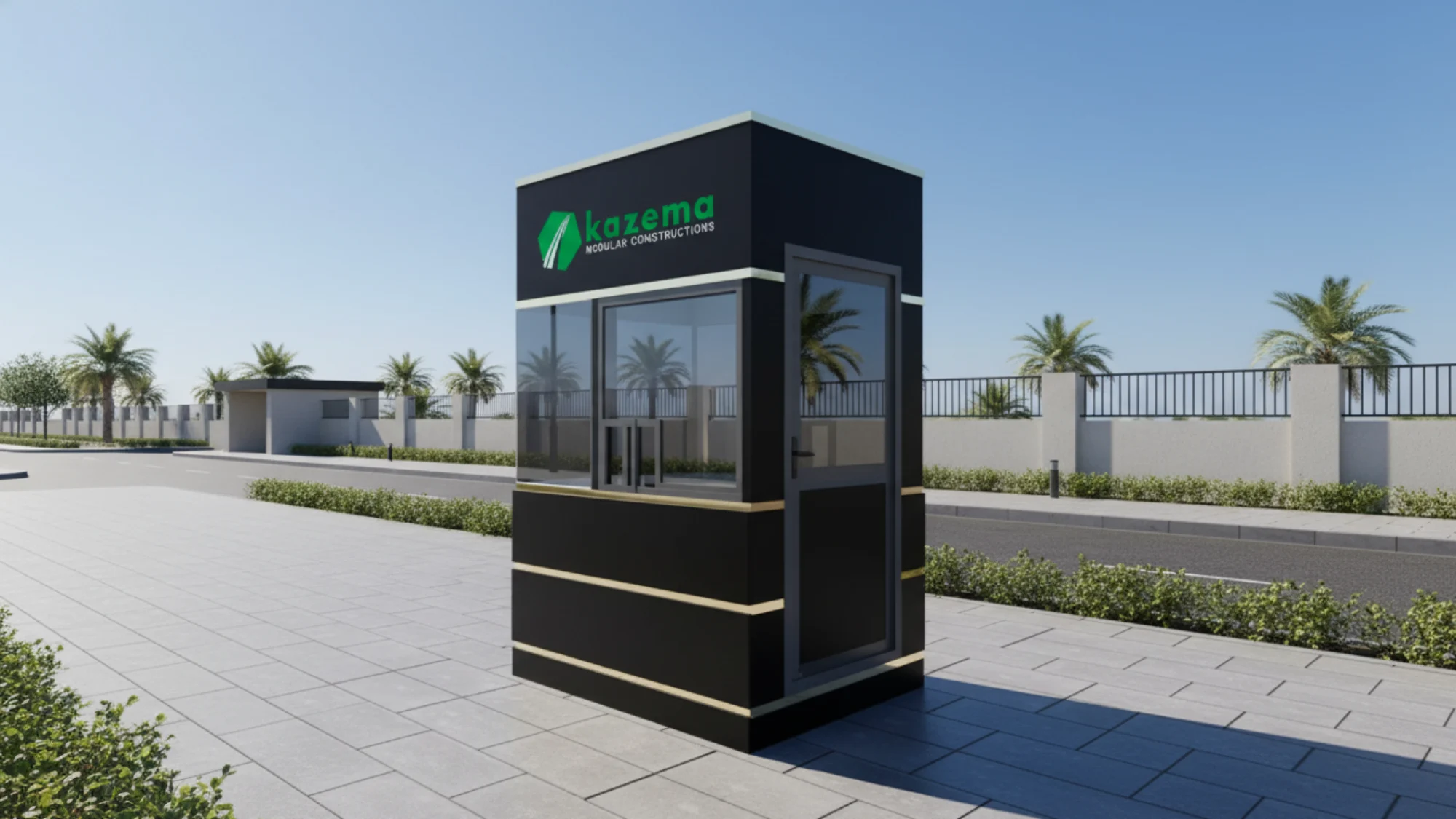
Pros and Cons of Prefabricated Security Cabins
Pros
- Speed: Factory production and quick installation minimize delays.
- Quality: Controlled manufacturing ensures consistent standards and structural integrity.
- Cost Savings: Lower build costs, reduced maintenance, and higher energy efficiency.
- Portability: Units can be relocated and reused, spreading costs over multiple projects.
- Customization: Flexible layouts and finishes to suit diverse requirements.
- Sustainability: Less waste and potential for green energy integration.
Cons
- Initial Investment: Premium features and custom designs increase costs.
- Limited Size: Single modules have constraints on dimensions; larger structures require multiple modules and more complex installation.
- Aesthetic Constraints: Though customization exists, prefabricated cabins may not match the exact architectural style of some permanent buildings.
- Utility Connections: Off‑grid sites need planning for water, electricity, and waste management.
Buying Tips and Considerations
When purchasing a prefabricated security cabin in the UAE, keep the following tips in mind:
- Select Reputable Suppliers: Look for companies with proven experience in designing, fabricating, and installing cabins in the UAE. Check references and visit previous installations when possible.
- Assess Customization Needs: Determine the number of rooms, technology requirements, and aesthetic preferences before placing an order. Clear requirements prevent costly modifications later.
- Plan for Logistics: Ensure the site can accommodate delivery vehicles and installation equipment. Confirm ground conditions and foundation requirements.
- Evaluate Energy Efficiency: Opt for high‑quality insulation, energy‑efficient HVAC systems, and, if possible, solar panels to lower operational costs.
- Consider Financing Options: Explore lease‑to‑own agreements, rentals, and trade‑in programs to manage cash flow and asset life cycle.
- Review Warranty and Maintenance: Ask about coverage for structural components, electrical systems, and HVAC units. Regular maintenance extends the life of the cabin.
Sustainability and Green Building Alignment
The UAE’s push toward sustainability means buyers should consider prefabricated cabins that minimize environmental impact. Features to look for include:
- Recycled Materials: Using recycled steel and eco‑friendly insulation reduces resource consumption.
- Renewable Energy Integration: Solar panels and battery storage reduce reliance on grid power.
- Water Conservation: Low‑flow fixtures and greywater reuse systems lower water consumption if the cabin has plumbing.
- Modular Reuse: Reusing cabins across projects prevents construction waste and supports circular economy principles.
Selecting sustainable options not only benefits the environment but also enhances brand reputation and may be required for compliance with government projects or green building certifications.
FAQs: Understanding Prefabricated Security Cabins
- Are prefabricated cabins as durable as traditional buildings?
Yes. High‑quality prefab cabins use sturdy steel frames and durable wall panels that withstand harsh UAE conditions. With proper maintenance, they can last decades. - How long does it take to receive a prefabricated cabin?
Lead times vary based on customization and supplier schedules. Standard models are available within 3–6 weeks; custom designs may take longer. - Can prefabricated cabins be expanded later?
Many designs allow for expansion by adding modules. This should be planned during the initial design to ensure compatibility and structural stability. - Do prefabricated cabins require permits?
Yes. Installation must comply with local regulations and may require approvals from municipalities and Civil Defence, especially for cabins with plumbing or advanced electrical systems. - Is it possible to upgrade an existing prefab cabin?
Absolutely. Upgrades may include adding new rooms, upgrading insulation, installing renewable energy systems, or replacing interior finishes.
Conclusion
Prefabricated security cabins are redefining how businesses and government agencies secure their premises in the UAE. By offering rapid deployment, robust durability, and significant cost savings, these cabins provide a compelling alternative to traditional construction. Their adaptability ensures they remain useful across multiple projects, while customization options allow them to match aesthetic and functional requirements. As sustainability becomes a central goal for many organizations, prefabricated cabins—with their efficient use of materials and potential for renewable energy integration—stand out as a smart investment for current and future security needs. When sourced from reputable suppliers and tailored to the specific demands of the UAE environment, prefabricated security cabins deliver long‑term value and peace of mind.