
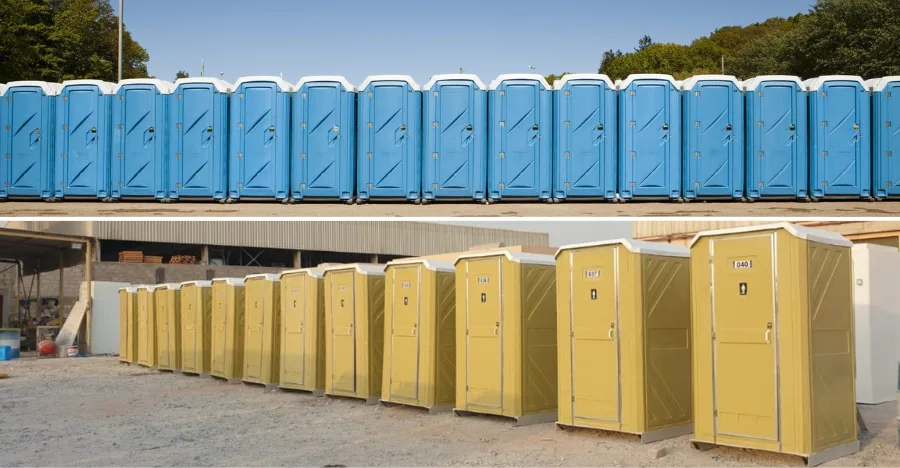
In large projects, military camps, peacekeeping bases, temporary barracks, and defense logistics hubs, sanitation is a non‑negotiable requirement. When serving army personnel or contractors in Iraq — with its challenging environments and heavy usage needs — choosing the right portable toilet solution has direct impact on health, morale, and operational efficiency.
This guide explains everything you need to know about low‑price chemical portable toilets designed for military use in Iraq, especially when purchasing in bulk from a trusted manufacturer. We’ll cover:
Why chemical portable toilets are ideal for military & large camps
Key product types & technical specs
GRP vs plastic — durability comparison
Pricing strategy for bulk & dealer orders
Export logistics to Iraq
Installation & maintenance best practices
ROI and total cost of ownership
FAQs for military procurement professionals
Whether you’re a logistics officer, defense contractor, trader, distributor, or bulk buyer, this guide gives data, insights, and practical buying advice — not just marketing fluff.
1. Why Chemical Portable Toilets Are Critical for Military Use
For remote camps, forward operating bases, and tactical deployments, traditional sewer‑connected toilets are rarely available. Chemical portable toilets solve this gap by offering:
1.1 Completely Self‑Contained System
Chemical toilets do not require external plumbing. Each unit stores waste in a sealed tank treated with sanitizing chemicals that control odor and bacteria — ideal for:
Desert terrains
Temporary field camps
Remote regions of Iraq
Areas without sewer infrastructure
For military missions where speed of deployment matters, chemical toilets provide immediate sanitary solutions.
1.2 Rapid Deployment & Mobility
Military units often relocate or expand operations quickly. Chemical toilets are:
Easy to transport
Quick to install
Lightweight yet durable
This mobility ensures sanitation follows troop movements, not infrastructure constraints.
1.3 Low Maintenance in Harsh Conditions
Iraq’s climate ranges from scorching desert heat to seasonal storms. Chemical toilets are engineered to withstand:
High temperatures
Dust and sand exposure
Intensive daily use
With fewer mechanical parts, they have lower maintenance requirements — crucial for areas with limited technical support.
1.4 Odor Control & Hygiene
Military personnel morale is tied to living conditions. Chemical solutions use disinfectants that:
Neutralize odors
Minimize pathogens
Provide reasonable hygiene in field conditions
For long deployments, this contributes to health and comfort.
2. Understanding Chemical Portable Toilet Design
Not all chemical toilets are created equal. For military use, specific design elements matter.
2.1 Enclosed Waste Tank with Chemical Treatment
The core principle of a chemical portable toilet is a sealed waste tank. Chemicals inside break down waste and control smell. A good system includes:
Tight seals to prevent leaks
Vent stacks to release controlled air
High‑quality chemical mixture
This ensures safe storage until emptying.
2.2 Material Strength — GRP vs Plastic
Chemical toilets come in two major body types:
GRP (Fiberglass Reinforced Plastic)
Superior structural strength
High UV resistance
Excellent heat tolerance
Corrosion resistant
Best for military use in Iraq. GRP holds up well under heavy use and environmental stress.
High‑Density Plastic
Lower initial cost
Lighter weight
Less durable under constant heavy use
Plastic units may be suitable for very low‑usage scenarios, but for military environments, GRP is preferred.
2.3 Ventilation & Odor Management
Military camps can be hot and crowded. Adequate ventilation systems in the toilet body help:
Reduce odor buildup
Improve user comfort
Lower chemical usage
Good vent design is an overlooked yet impactful feature.
2.4 Locking & Privacy Features
For military installations, security and privacy matter. Look for:
Secure locking mechanisms
Durable hardware
Stable door fixtures that don’t loosen under repetitive use
These aren’t luxury features — they improve long‑term serviceability.
3. Types of Chemical Portable Toilets Suitable for Iraq Military Applications
Different scenarios call for different unit types. Here’s a breakdown:
3.1 Standard Chemical Portable Toilet
This is the most common model for large‑scale sanitation needs. Features:
GRP body
Sealed waste tank
Ventilation
Lockable door
Easy clean interior
Best use: Base camps, staging areas, construction support sites.
3.2 Heavy‑Duty Military Grade Chemical Toilet
Reinforced design for extreme conditions:
Thicker GRP walls
Metal frame reinforcement
Heavy‑duty hinges
Larger waste capacity
Best use: Long‑term deployment zones and high‑traffic areas.
3.3 Accessible Chemical Portable Toilet
Designed for personnel with mobility challenges:
Wider doorway
Ramps (optional)
Sturdy handrails
Larger interior space
Best use: Hospitals within base, command centers, rest zones.
3.4 Multi‑Unit Block Systems
Instead of single standalone units, these are grouped rows of toilets that share:
Centralized waste collection access
Easier servicing
Better organization for large contingents
Best use: Large military bases with hundreds of users daily.
4. Material & Technical Specifications — What Market Leaders Provide
Military procurement should not compromise on specs. Below are the key data points to assess:
| Specification | Recommended Standard | Why It Matters |
|---|---|---|
| Body Material | GRP (Fiberglass) | Strength & durability |
| Waste Tank Capacity | 80–120 liters+ | Reduces emptying frequency |
| Chemical Resistance | High | Prevents corrosion |
| Ventilation | High‑flow vent stack | Odor reduction |
| Door Material | Reinforced GRP or Metal | Long service life |
| Floor Type | Anti‑slip high‑strength | Safety |
| Weight | Medium | Balance durability & transportability |
5. Pricing Strategy for Low‑Price Military Bulk Orders
When procuring chemical portable toilets for military use, price transparency and structure are key.
5.1 Bulk Pricing Model
Prices drop significantly with quantity. Typical brackets:
10–24 units
25–49 units
50–99 units
100+ units
Larger volumes allow manufacturers to allocate production more efficiently.
5.2 Dealer & Export Pricing
Instead of retail markups, military procurement officers should target:
Factory‑direct pricing
Dealer wholesale rates
Long‑term supply contracts
This reduces per unit cost and ensures consistent quality.
5.3 Freight & Logistics Costing
When pricing for Iraq, include:
Sea freight to Basra or Umm Qasr ports
Customs clearance fees
Inland transport to base locations
Container loading optimization
Efficient logistics planning lowers delivered cost per unit.
6. Bulk Supply & Export Logistics to Iraq
Exporting to Iraq requires logistics that take geography, regulation, and timelines into account.
6.1 Shipping to Iraq — Port Options
Major Iraqi ports for heavy cargo:
Umm Qasr (Primary cargo port)
Basra Port
Khor Al Zubair (Industrial cargo)
Choose ports based on final destination to reduce inland costs.
6.2 Container Loading Best Practices
Chemical portable toilets can be shipped:
Fully assembled (for smaller orders)
Disassembled/knocked down (KD) to maximize container usage
Knocked‑down packing allows more units per container, reducing freight costs.
6.3 Customs Compliance
Iraq requires proper documentation:
Commercial invoice
Packing list
Bill of lading
Harmonized System (HS) code classification
Import license (if applicable)
Experienced exporters can prepare documentation to avoid delays.
7. Total Cost of Ownership (TCO) & Value Assessment
When buying portable toilets for military use, price isn’t the only metric — durability, serviceability, and lifecycle costs define true value.
7.1 Lifecycle Cost Advantages
A cheaper plastic toilet may cost less upfront but will likely wear faster under heavy use, leading to:
Higher repair costs
Shorter lifespan
More frequent replacement
By contrast, a GRP chemical toilet withstands heavy military use over years.
7.2 Servicing & Replacement Parts
A good manufacturer provides:
Replacement waste tanks
Door hardware
Vent stacks
Seals & gaskets
Easy access to spare parts lowers long‑term service cost.
8. Installation & Operational Best Practices
Proper setup and servicing improve hygiene and lifespan.
8.1 Site Planning
Place toilets where:
Ground is level
Drainage is possible
Access for servicing trucks is available
Avoid flood zones and direct sun exposure if possible.
8.2 Servicing Schedule
For high‑use military zones, schedule:
Daily check‑ins
Weekly chemical recharge
Waste emptying based on capacity
Chemical toilets require regular servicing to maintain hygiene.
8.3 Training Local Staff
Training camp personnel in:
Basic cleaning
Chemical handling
Reporting issues
Reduces downtime and improves hygiene standards.
9. Compliance & Safety Standards
Military procurement may require adherence to sanitation and environmental safety standards.
Follow local waste disposal regulations
Use approved chemical treatment products
Ensure units meet structural safety standards
Provide MSDS (Material Safety Data Sheet) for chemicals
Compliance reduces legal and operational risk.
10. How to Choose the Right Manufacturer
For Iraq military use, choose a supplier that offers:
Bulk pricing & dealer contracts
Export experience to Iraq
GRP build and high structural strength
Spare parts availability
Documentation and customs support
Direct manufacturer relationships yield best pricing and consistent supply.
11. Frequently Asked Questions (FAQs)
Q1: What is the minimum bulk order for military pricing?
Most manufacturers start dealer pricing at 10+ units, with significant discounts at 25+, 50+, and 100+.
Q2: Are chemical portable toilets suitable for long‑term military camps?
Yes — especially GRP models with large waste capacity and strong ventilation systems.
Q3: How often should chemical toilets be serviced?
Daily inspections with weekly chemical recharge and waste emptying based on usage.
Q4: Can these toilets be shipped disassembled?
Yes — knocked‑down packing maximizes container space and reduces freight cost.
Q5: Do manufacturers assist with customs documentation?
Experienced exporters provide commercial invoices, packing lists, HS classification, and shipping documents.
Q6: How durable are GRP units in harsh environments?
GRP units resist UV, heat, and corrosion far better than plastic alternatives, making them ideal for Iraq.
Conclusion
For military procurement in Iraq, low‑price chemical portable toilets are not just a budget consideration — they are an operational necessity. When purchased in bulk from a reliable manufacturer with export experience, these units offer:
Cost‑efficient pricing
Durable GRP structural strength
Lower long‑term total cost of ownership
Easier maintenance and servicing
Better comfort and hygiene for troops
Whether you are a logistics planner, contractor, or dealer, aligning with a manufacturer that understands military requirements, export logistics, and bulk pricing structures gives you a competitive edge.
Before issuing purchase orders, make sure to evaluate:
- Technical specifications
- Export documentation support
- Container loading efficiency
- Dealer pricing tiers
- After‑sales support
Invest in durable, low‑price chemical portable toilets that meet the demands of military use — because sanitation is mission‑critical.