
Warehouses are the backbone of the UAE’s logistics, construction supply, manufacturing, and distribution sectors. From large-scale fulfillment centers in Jebel Ali to industrial storage yards in ICAD Abu Dhabi, thousands of workers operate daily in environments that require practical, compliant, and hygienic sanitation solutions.
In many warehouse situations, permanent plumbing is either unavailable, insufficient, under maintenance, or located far from active work zones. That’s where portable toilet rental for warehouses becomes essential.
This in-depth guide covers everything warehouse owners, facility managers, contractors, and logistics operators need to know about renting portable toilets across the UAE — including planning, compliance, capacity calculation, hygiene standards, cost factors, and best practices.
Why Warehouses Need Portable Toilet Rentals
Warehouses are unique environments:
Large floor areas
Temporary workforce fluctuations
Shift-based operations
Outdoor loading zones
Expansion projects
Remote industrial areas
Even facilities with built-in restrooms often require additional temporary sanitation units during:
Peak seasonal operations
Expansion or renovation works
Inventory relocation
Overflow staffing
New warehouse construction
Remote storage yard operations
Portable toilets provide flexibility without interrupting operations.
Common Warehouse Scenarios That Require Portable Toilets
1. New Warehouse Construction
During the development of industrial sheds in zones like Dubai Industrial City, Al Quoz Industrial Area, or Mussafah, there is no permanent plumbing at early stages. Portable toilets ensure compliance and worker welfare from day one.
2. Temporary Workforce Expansion
Peak seasons in logistics — especially around major retail periods — increase manpower significantly. Facilities near Jebel Ali Free Zone (JAFZA) or Khalifa Industrial Zone Abu Dhabi (KIZAD) often add temporary sanitation units to maintain hygiene standards.
3. Remote Storage Yards
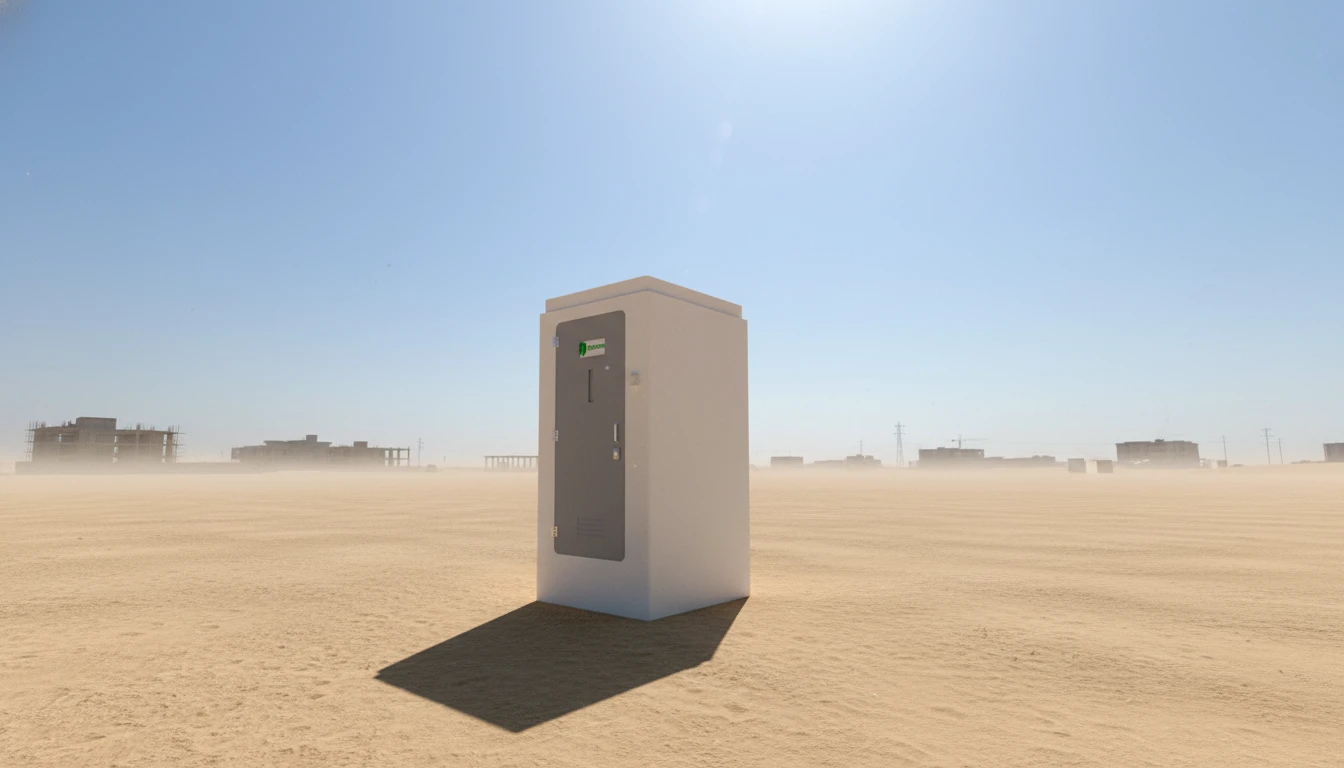
Open yards in areas such as Al Sajaa Industrial Area (Sharjah) or Umm Al Quwain Industrial Area may not have access to sewage systems. Portable toilets become the primary sanitation solution.
4. Warehouse Renovation & Maintenance
When internal restrooms are under repair, temporary portable units maintain uninterrupted facility operations.
5. Outdoor Loading & Container Areas
Large warehouses in Ras Al Khaimah Economic Zone (RAKEZ) or Fujairah Free Zone often have loading docks far from internal washrooms. Portable toilets positioned strategically reduce downtime and increase worker efficiency.
Types of Portable Toilets Suitable for Warehouses
Different warehouse operations require different sanitation solutions.
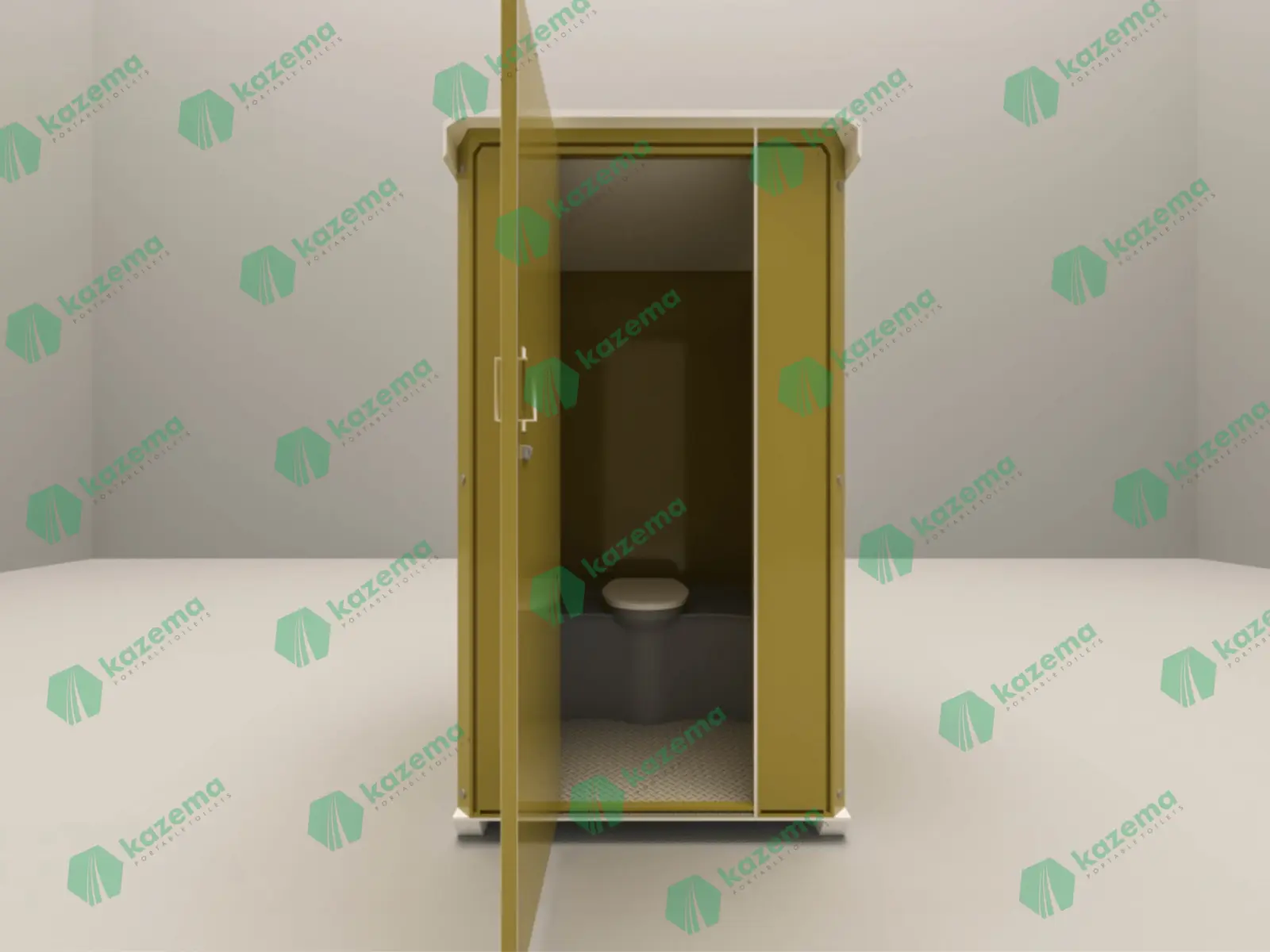
1. Standard Chemical Portable Toilets
Ideal for:
General warehouse labor
Construction and storage sites
Outdoor loading zones
Features:
Non-flush chemical system
Ventilated interior
Slip-resistant flooring
Waste holding tank
2. Flushing Portable Toilets
Better suited for:
High-traffic warehouse environments
Long-term rental setups
Cleaner working conditions
Includes:
Fresh water tank
Hand wash basin
Foot pump or manual flush
3. Portable Toilets with Handwash Station
Essential for:
Food storage warehouses
Pharmaceutical distribution centers
Cold storage facilities
Maintaining hygiene is critical in such environments.
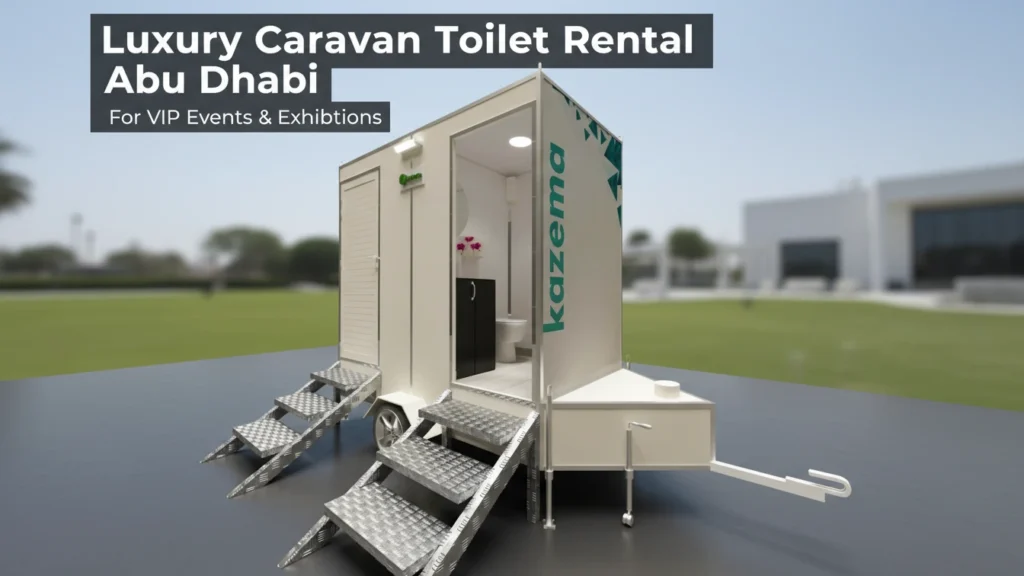
4. Luxury Portable Toilets
Used when:
Warehouse hosts client visits
Corporate inspections
Staff offices inside industrial complexes
These units offer:
Sink with mirror
Proper ventilation
Enhanced interior finish
5. Disabled Access Portable Toilets
Required for:
Compliance in larger facilities
Inclusive workplace environments
These units provide wider doors and support rails.
UAE Industrial Zones Where Portable Toilets Are Commonly Required
Across the Emirates, warehouse clusters often operate in dedicated industrial zones. Portable sanitation solutions are widely used in:
Dubai
Jebel Ali
Dubai Industrial City
Al Quoz Industrial Area
Dubai Investment Park (DIP)
Dubai South Logistics District
Abu Dhabi
Mussafah Industrial Area
ICAD (Industrial City of Abu Dhabi)
KIZAD
Al Ain Industrial Area
Sharjah
Al Sajaa
Sharjah Airport Free Zone (SAIF Zone)
Hamriyah Free Zone
Ajman
Ajman Industrial Area 1–3
Al Jurf Industrial Area
Ras Al Khaimah
RAKEZ
Al Hamra Industrial Zone
Fujairah
Fujairah Free Zone
Port of Fujairah industrial areas
Umm Al Quwain
UAQ Industrial Area
Emirates Modern Industrial Area
In many of these areas, large-scale warehouses operate with outdoor yards and limited municipal sewage connectivity — making portable toilet rental a practical necessity.
How Many Portable Toilets Does a Warehouse Need?
The required number depends on:
Number of workers
Shift structure
Working hours
Gender ratio
Duration of rental
Local regulations
General Guideline
For warehouse operations:
1 toilet per 10 workers (8-hour shift)
Add extra units for overtime shifts
Add separate units for female staff
Add handwash stations for food-related facilities
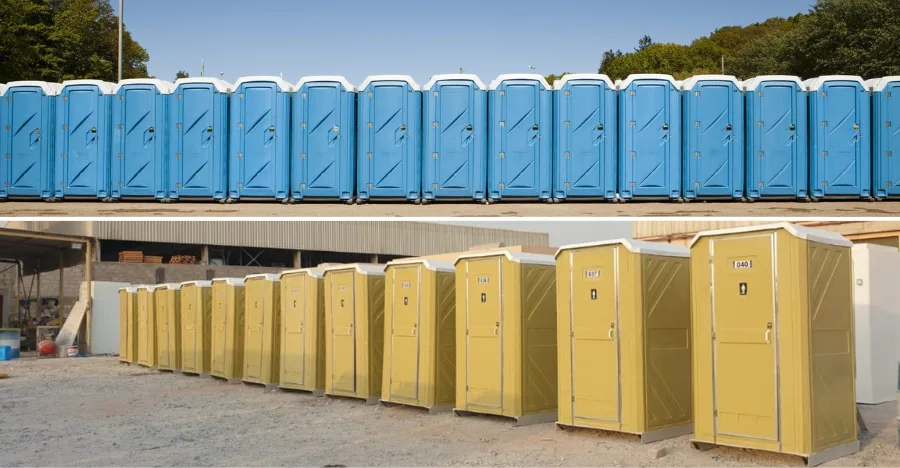
For large warehouses employing 100+ workers, multi-unit portable toilet clusters are often installed.
Compliance & Worker Welfare in the UAE
Industrial facilities in the UAE must follow labor welfare standards set by authorities including:
Ministry of Human Resources & Emiratisation (MOHRE)
Municipality regulations in each Emirate
Health & Safety compliance guidelines
Sanitation facilities must:
Be accessible
Be hygienic
Be regularly serviced
Provide hand hygiene access
Be separated by gender when necessary
Failure to comply may lead to inspection penalties.
Portable toilet rental providers typically include scheduled cleaning and waste disposal services to maintain compliance.
Warehouse-Specific Placement Strategy
Strategic placement improves productivity and hygiene.
Best Practices:
Place units near loading zones
Keep them away from food storage sections
Ensure shaded placement in high-heat regions
Position on stable, level ground
Avoid blocking forklift paths
Maintain easy access for service trucks
In industrial hubs like Mussafah or JAFZA, where large vehicles operate constantly, placement planning is essential.
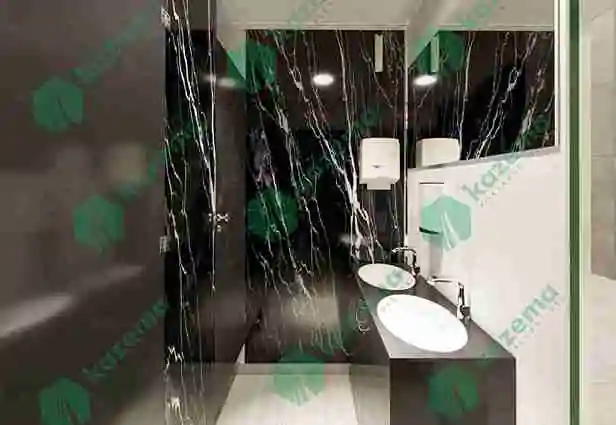
Hygiene & Maintenance Schedule
Warehouse environments can be dusty and heavy-duty. Portable toilets must be maintained properly.
Recommended Service Frequency:
1–2 times per week for 10–15 users
3+ times per week for heavy usage
Daily service for 50+ workforce clusters
Maintenance typically includes:
Waste tank emptying
Chemical refill
Fresh water refill
Deep interior cleaning
Disinfection
Restocking toilet paper
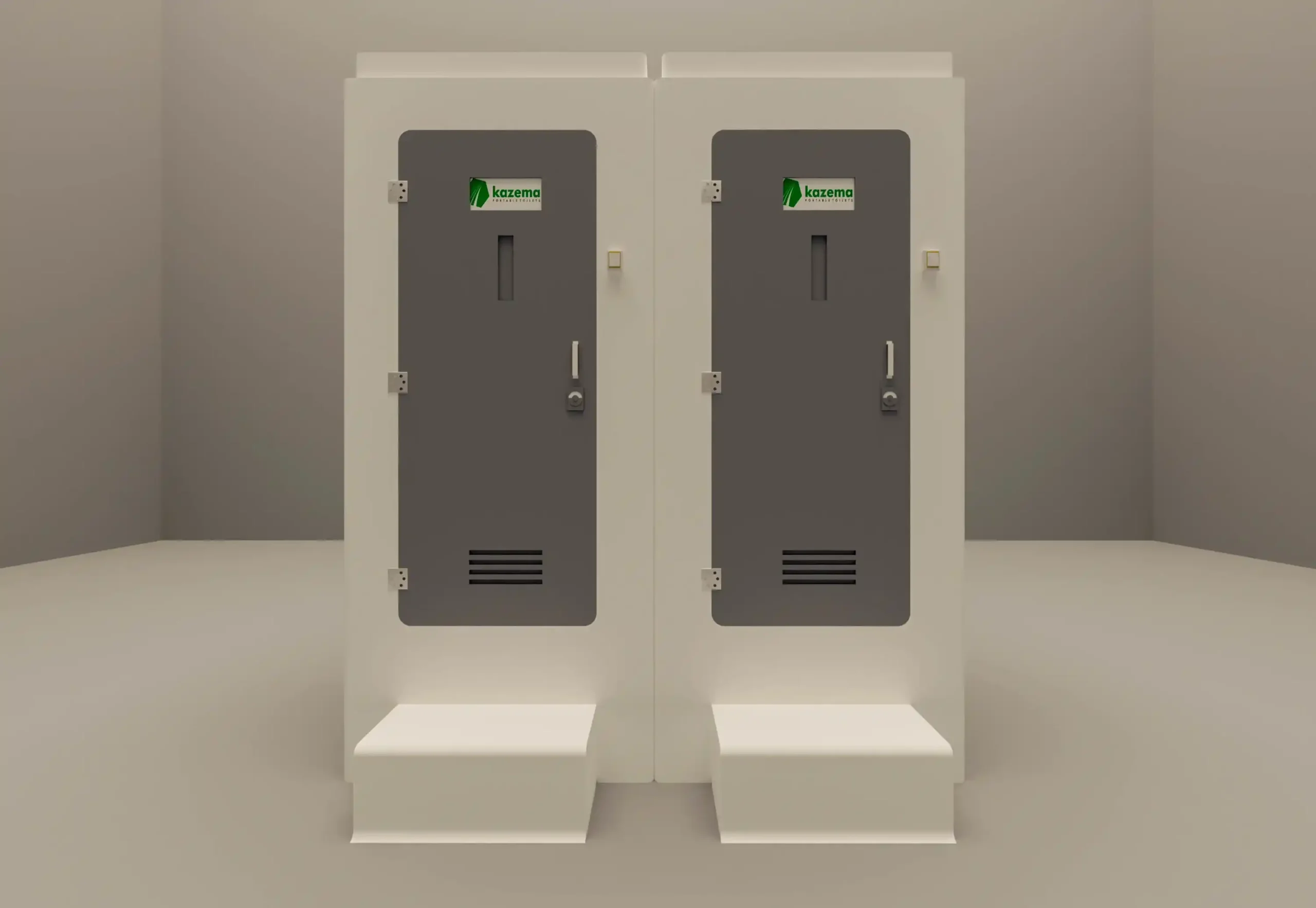
Climate Considerations in UAE Warehouses
The UAE climate poses challenges:
High temperatures
Humidity in coastal regions
Sand exposure in desert zones
Modern portable toilets are designed with:
UV-resistant exterior
Ventilation systems
Odor-control chemicals
Durable polyethylene structure
This ensures performance even in peak summer months.
Cost Factors for Warehouse Portable Toilet Rental
Pricing depends on:
Type of unit
Rental duration
Number of units
Cleaning frequency
Delivery location
Access difficulty
Long-term warehouse rentals typically receive better rates compared to short-term event rentals.
Bulk industrial orders are common in large industrial clusters.
Long-Term vs Short-Term Rental
Short-Term (1–4 weeks)
Used for:
Temporary expansion
Renovation
Construction phase
Long-Term (3–12 months or more)
Used for:
Permanent yard facilities
Remote warehouses
Industrial storage facilities without sewage
Long-term contracts reduce per-unit cost and ensure consistent servicing.
Benefits of Portable Toilets for Warehouse Operations
Increased worker productivity
Reduced downtime
Compliance with labor laws
Flexible relocation
Quick installation
No plumbing required
Scalable as workforce changes
Portable toilets eliminate the need for costly plumbing extensions in large warehouse yards.
Special Considerations for Cold Storage & Food Warehouses
Facilities storing:
Food products
Pharmaceuticals
Medical supplies
Require stricter hygiene standards.
Handwash units with soap dispensers are strongly recommended.
Some facilities also install foot-operated wash stations.
Environmental Responsibility
Modern portable sanitation systems use:
Eco-friendly chemicals
Controlled waste disposal
Water-saving flush systems
Waste is transported and disposed of according to municipal regulations in each Emirate.
Frequently Asked Questions
Are portable toilets suitable for indoor warehouse use?
Yes, if ventilation and space allow safe placement.
Can units be relocated within the warehouse?
Yes. They are movable using forklifts or manual lifting equipment.
Do they require plumbing?
No. They are fully self-contained.
What about odor control?
Industrial-grade chemicals and proper servicing minimize odor.
Can they handle high worker volume?
Yes, with proper quantity planning and servicing schedule.
Planning Checklist for Warehouse Managers
Before renting portable toilets, consider:
Total workforce per shift
Duration of need
Male/female ratio
Type of warehouse (general, food, pharma)
Service frequency required
Placement logistics
Access for service vehicles
Proper planning ensures cost efficiency and compliance.
Final Thoughts
Warehouses are dynamic environments. Whether operating in the logistics corridors of Jebel Ali, the manufacturing hubs of Mussafah, the industrial yards of Sharjah, or storage zones in Ajman and Ras Al Khaimah, sanitation remains a critical component of operational efficiency.
Portable toilet rental for warehouses provides:
Flexibility
Compliance
Hygiene
Workforce comfort
Scalable solutions
With proper planning, placement, and maintenance, portable sanitation becomes a seamless part of warehouse infrastructure.